Review of the f-stop Tilopa camera backpack

f-stop Tilopa Review: Our Honest Long-Term Experience After Almost Four Years of Use
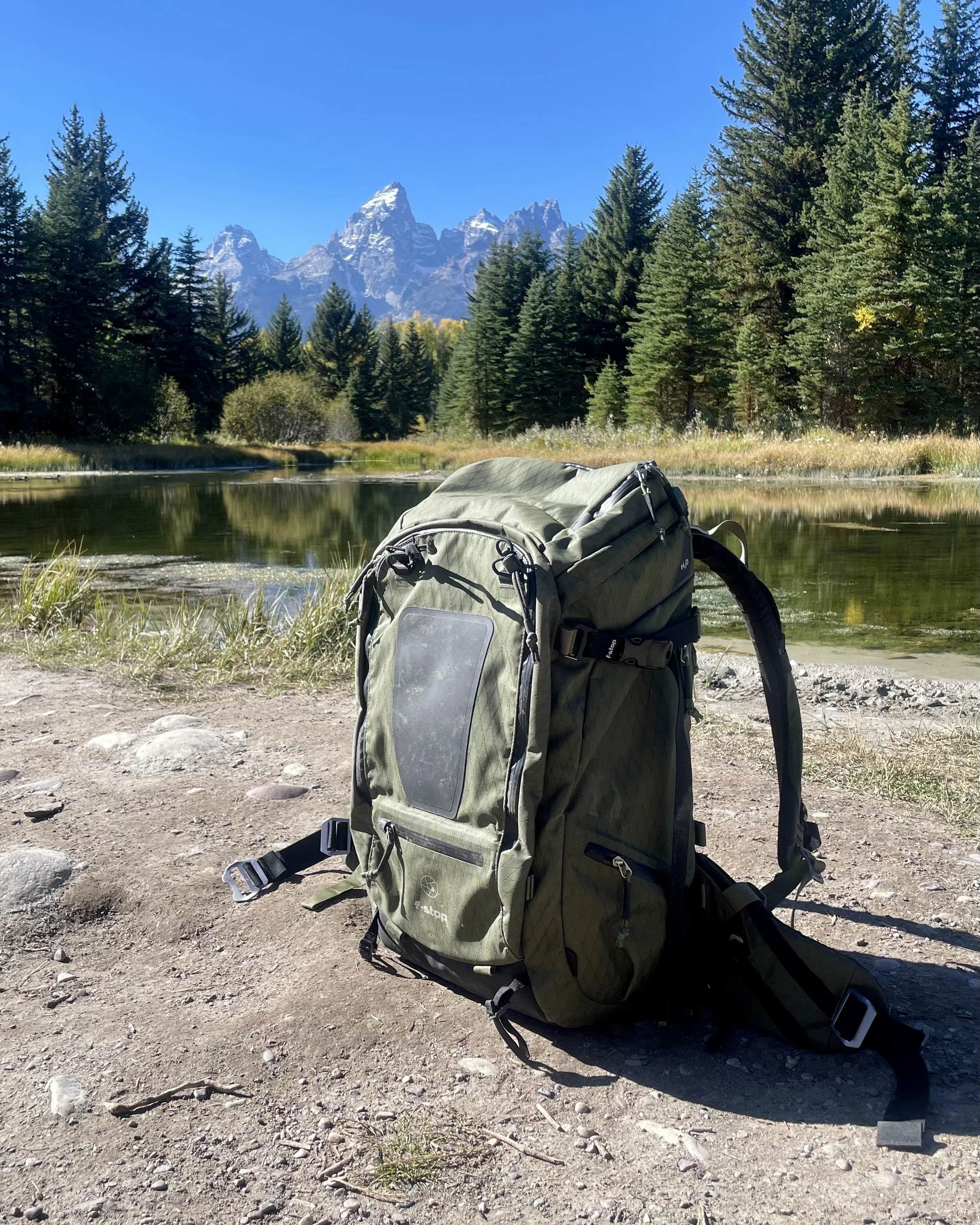
Tilopa with us on a trip to Grand Teton NP in USA.

Choosing the right camera bag is a bit like choosing the right pair of hiking boots. It has to fit your body, your gear, your way of working — and it has to keep performing when conditions are far from ideal. One size definitely does not fit all.

Over the years, we have tested more camera bags than we care to admit. We have used dedicated camera backpacks, outdoor packs adapted for camera gear, and, in desperate situations, the occasional regular backpack filled with lenses, jackets and a healthy dose of optimism. Some bags have come close to perfect, but we have often felt there was room for improvement.

A camera bag is one of those pieces of equipment that does not directly take the picture, but it can absolutely decide whether you get the picture. If your gear is difficult to access, poorly protected, uncomfortable to carry, or badly organised, it will slow you down. And in wildlife and landscape photography, that can be the difference between getting the shot and watching the moment disappear.

That is why we were genuinely interested when we started using f-stop. And yes, before anyone says it: we are f-stop ambassadors. But we are also extremely picky about the brands we collaborate with. For us, a camera bag is not just a logo on your back. It is a tool that has to protect expensive gear, work in the field, stay comfortable for long days, and make photography easier — not more complicated.

So this is not a blind praise piece. This is our honest, long-term review of the f-stop Tilopa — quirks included.

Why a Good Camera Bag Matters

A proper camera bag is one of those things you may not fully appreciate until you use the wrong one.

Imagine hiking up a mountain with your lenses knocking around in an ordinary backpack, your camera buried under a rain jacket, and your tripod hanging awkwardly from whatever strap you could find. Not ideal. A good camera bag protects your gear, keeps everything organised, gives you fast access when the moment happens, and saves your back during long days in the field.

For wildlife and landscape photography, this matters even more. The perfect moment rarely waits while you dig through your bag like a stressed squirrel looking for a missing lens cap.

A good camera bag also needs to do more than carry camera equipment. It has to carry the things that keep you functioning as a photographer: extra layers, gloves, food, water, filters, batteries, rain protection, a headlamp, maybe a drone, and sometimes enough random outdoor gear to make you question your life choices halfway up a mountain.

That balance — camera gear versus everything else — is where many bags struggle. Some are great camera bags but poor outdoor backpacks. Others are comfortable hiking bags but awkward for photography. The Tilopa sits somewhere in the middle, and that is a big part of why it has worked so well for us.

The f-stop Tilopa: Built for Serious Use

The f-stop Tilopa has become the crown jewel in our collection of camera bags. With its 50-litre capacity, it is not a small backpack — and it does not try to be. This is a proper expedition-style camera bag designed for photographers who need to carry a serious amount of gear into the field.

The construction feels rugged and confidence-inspiring. After almost four years of use, it still feels like a bag made for real outdoor work: mountains, snow, rain, mud, airports, boats, hides and long hikes. It has the kind of build quality where you do not feel the need to baby it — which is exactly what we want from a camera backpack.

We have used it in conditions where gear gets wet, frozen, dirty, thrown into cars, placed on rough ground and carried for hours. A bag like this needs to tolerate abuse without making you nervous, and the Tilopa does that very well.

It is not a delicate city backpack. It is not trying to look like something you would take to a café with a laptop and one small camera body. It is an outdoor photography backpack first and foremost. That is important to understand, because if you buy it for the wrong use case, it may feel too large and too technical. But if you buy it for the right use case, it makes a lot of sense.

We chose the green version, partly because it fits well into natural surroundings and partly because, let’s be honest, it looks good. If you photograph wildlife, being a little less visible in the landscape is not a bad thing. We are not saying the bag turns you invisible, but every little bit helps when you are trying not to look like a walking camera store in the middle of nature.

Space and Organisation
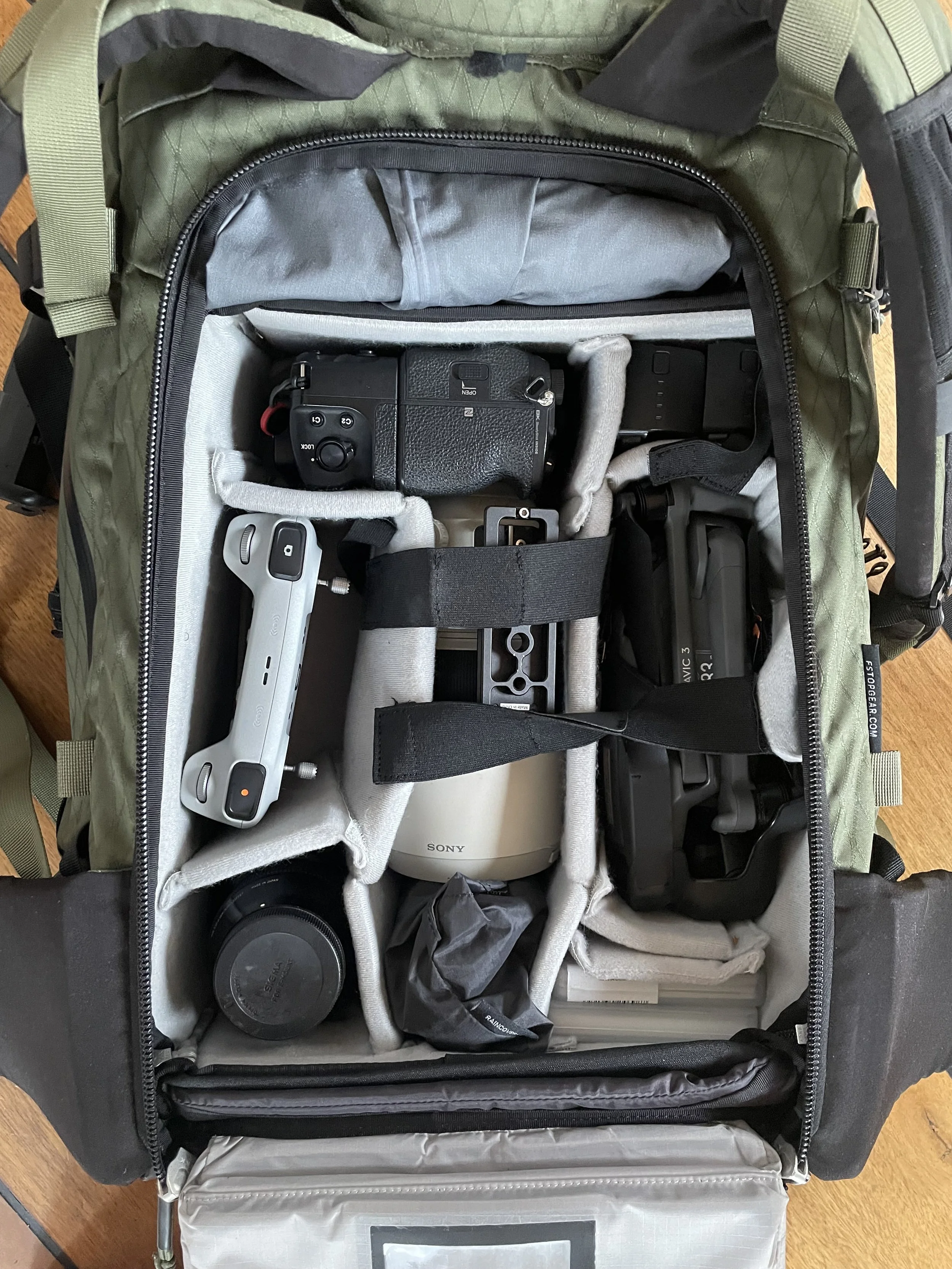
A normally packed back, when we are out taking landscape pictures

The Tilopa uses f-stop’s Internal Camera Unit system, better known as ICUs. This is one of the main reasons the bag works so well. Instead of locking you into one fixed layout, the ICU system lets you choose how much of the bag you want to dedicate to camera gear and how much you want to leave for clothing, food and other essentials.

This modular approach is, in our opinion, one of f-stop’s biggest strengths. Photography trips are not always the same. Some days you need to carry a lot of camera gear. Other days you need more space for extra clothing, food, safety equipment or travel essentials. With the ICU system, the bag can be adapted instead of forcing you into one fixed setup.

We normally use either the ICU Pro Large or the ICU Pro XL.

With the ICU Pro Large, there is still a good amount of room left for extra layers, snacks, gloves, a small jacket and other things you typically need during a long day outside. This setup feels like a very good balance between camera equipment and general outdoor use. For many trips, this is probably the most practical configuration.

With the ICU Pro XL, you get more space for gear, but less room for everything else. That setup makes sense when photography equipment is the priority and you are willing to sacrifice some non-camera storage. It is the better choice when you want to carry multiple bodies, several lenses and accessories, but it does turn the Tilopa into more of a pure camera-hauling machine.

The ICU is secured inside the bag with four small Velcro straps, positioned close to your back. It feels stable and well-integrated, and it keeps the gear from shifting around while you move. Access is easy and logical, and once you have arranged the dividers to fit your kit, the system works extremely well.

The rear access is also something we have come to appreciate. When you place the bag down, the part that touches your back does not end up directly in the mud, snow or wet ground. It also gives you a good overview of your camera gear when the bag is open. For us, that is much more practical than digging down from the top and hoping the lens you need is somewhere near the surface.

That said, even the ICU Pro XL can be a bit tight if you want to carry a large 400mm or 600mm prime lens with a camera body attached. It is possible to pack big gear, but if you regularly carry large super-telephoto primes fully assembled, you may need to think carefully about your setup — or look at something larger, such as the f-stop Shinn.

In other words: the Tilopa is spacious, but it is not magic. A 50-litre bag is still a 50-litre bag, and big wildlife lenses are big wildlife lenses.

Comfort and Carrying System

Comfort is one of the Tilopa’s strongest points. The shoulder straps and hip belt are well padded, supportive and clearly made for carrying weight over distance. When the bag is fully loaded, that matters a lot.

The Tilopa also has an integrated carrying/support system that can be removed. That is a useful feature if you want to reduce weight, change how the bag feels, or adapt it for different types of use. We like that flexibility, because not every trip requires the same setup.

When you load a backpack with camera bodies, lenses, batteries, filters, tripod, food, clothing and water, the weight adds up fast. This is where the Tilopa feels more like a serious outdoor pack than a typical camera backpack. The hip belt actually does its job, and the weight can be transferred properly instead of hanging entirely from your shoulders.

For Henrik, who is tall, the Tilopa fits extremely well. It sits properly on the back, transfers weight effectively to the hips, and feels like a serious outdoor backpack rather than just a camera bag pretending to be one.

For Kirsten, who is smaller, the Tilopa can feel big. Not unusable, but definitely more like carrying a small mountain. For her, the smaller f-stop Ajna is often a better fit.

There is one interesting comparison between the Tilopa and the Ajna. The Tilopa has more padding and feels more substantial, which is great when carrying heavy loads. But the slimmer feel of the Ajna can actually be preferable in some situations. The Tilopa is very comfortable, but we still think there is room for refinement in how the padding and harness feel on different body types.

So, is the fit like carrying a cloud or a mountain? For Henrik, more cloud. For Kirsten, sometimes mountain.

This is probably one of the most important points in the whole review: the Tilopa is an excellent bag, but it is not the right size for everyone. If you are shorter or prefer a more compact setup, you should definitely try it on before deciding. A camera bag can be technically brilliant and still be wrong for your body.

The Metal Buckles: Love and Hate

One feature we have a genuine love/hate relationship with is the metal buckles around the waist belt.

On the positive side, they are extremely durable. We have broken more plastic buckles than we care to remember — by stepping on them, closing them in doors, or generally treating bags the way outdoor photographers tend to treat bags. The metal buckles feel almost indestructible.

The downside is noise. They can clank. And if you are trying to approach wildlife quietly or sit unnoticed in a hide, that is not ideal. It is not a dealbreaker, but it is something worth knowing.

For landscape photography, this is rarely a problem. Mountains do not usually care if your waist buckle makes a small metallic sound. Wildlife, however, might. If you photograph birds, mammals or other nervous subjects, small noises can matter.

The solution is not complicated — you can handle the buckles carefully and reduce the noise — but we would still love to see an even quieter version in the future.

Hydration System

The Tilopa has space for a hydration bladder, such as a CamelBak-style system. In theory, that is great. In practice, we are a little cautious.

We would prefer a completely separate compartment for water. Carrying a liquid bladder close to expensive camera gear always makes us slightly nervous. Water and electronics have never been the best of friends, and although the system works, this is one area where we would like to see an even cleaner separation.

For many people, this may not be a big concern. Plenty of outdoor photographers use hydration systems without issues. But when you are carrying expensive camera bodies and lenses, even a small risk of leakage is something you think about.

Personally, we often prefer bottles or other water solutions that feel more separated from the camera gear. That may be a little paranoid, but camera gear is expensive enough to justify a bit of paranoia.

Tripod Carrying

The tripod solution is functional, but not our favourite part of the bag.

Instead of a large dedicated side pocket, the Tilopa uses a smaller zippered pocket that opens to support the foot of the tripod. It works, and we have used it many times, but we are not completely sold on the design. For some tripod setups, a more traditional side pocket would feel more secure and convenient.

This is not a major flaw, but it is one of those practical details you notice after years of real-world use. If you carry a lightweight travel tripod, the system is fine. If you carry a larger, heavier tripod for serious landscape or wildlife work, the setup can feel less elegant than the rest of the bag.

The Tilopa can absolutely carry a tripod. We just think this part of the design could be improved.

Access in the Field

One of the things we appreciate most after almost four years of use is how well the Tilopa works when you stop, put the bag down and need access to your gear.

The rear panel opens up to the ICU, giving you a clear view of your equipment. That sounds simple, but in the field it makes a big difference. You can quickly see what is where, change lenses, grab filters, swap batteries or reorganise without emptying half the bag.

This is especially useful when conditions are cold, wet or windy. The less time you spend searching, the better. Gloves, rain, snow and stress do not make anyone better at finding small accessories.

The Tilopa is not the fastest sling-style bag for instant camera access while walking. That is not what it is designed for. But for serious field work where you carry a larger setup and stop to shoot, the access works very well.

What We Usually Carry

The exact setup changes depending on the trip, but the Tilopa typically allows us to carry a very serious camera kit.

Depending on the ICU configuration, we can carry camera bodies, several lenses, batteries, memory cards, filters, cleaning gear and accessories, while still leaving some space for non-camera essentials. With the ICU Pro Large, the bag feels more balanced for mixed outdoor use. With the ICU Pro XL, it becomes more dedicated to gear-heavy photography days.

That flexibility is probably one of the reasons we keep using it. The bag can be configured for wildlife, landscape, travel or more general outdoor photography without feeling like we need a completely different backpack for every situation.

There are limits, of course. If you are carrying very large prime lenses, multiple bodies and a lot of extra outdoor gear, you can fill the Tilopa quickly. But for most serious photographers, it offers a strong combination of capacity and practicality.

Durability After Almost Four Years

After almost four years of use, the Tilopa has proven itself. That is probably the strongest compliment we can give it.

A lot of bags feel impressive when they are new. The real test is what happens after years of travel, outdoor use and repeated packing and unpacking. Zippers, straps, buckles, fabric, stitching and padding all start to reveal whether the bag was genuinely built for heavy use.

The Tilopa still feels solid. It has been used hard, and it has remained reliable. That matters to us much more than a perfectly polished first impression.

A camera bag does not need to look brand new forever. In fact, we like bags that show a bit of use. But it does need to remain functional, protective and comfortable. The Tilopa has done that.

Price and Value

The Tilopa is not cheap. And once you add an ICU, the total price climbs quickly.

That is worth being very honest about. This is an investment, not an impulse buy. If you only occasionally carry a small camera setup, it may be more bag than you need.

But after using it for almost four years, we can say that it has been worth it for us. It is the most-used camera bag we own, and it has handled everything from travel to long days in the field. The build quality, flexibility and comfort make it a bag we keep coming back to.

Value is not only about the purchase price. It is also about how often you use something, how well it performs, and whether you trust it when conditions are difficult. By that measure, the Tilopa has been very good value for us.

Who Is the Tilopa For?

The Tilopa is best suited for photographers who need to carry a substantial amount of gear and who spend time outdoors. Landscape photographers, wildlife photographers, adventure photographers and travelling photographers with larger kits are probably the most obvious users.

It is especially relevant if you want one bag that can handle both camera gear and outdoor essentials. The modular ICU system makes it possible to adjust the balance depending on the trip.

It is less ideal if you mainly shoot in cities, travel very light, or want something sleek and discreet for everyday use. In those cases, the Tilopa may feel too large, too technical and too outdoor-focused.

It is also worth considering body size. Taller photographers may find the Tilopa extremely comfortable. Smaller photographers may prefer the Ajna or another more compact f-stop bag.

What We Would Improve

After almost four years of use, our main criticisms are quite specific.

We would like the metal buckles to be quieter. We love the durability, but not the clanking.

We would prefer a more separated hydration compartment. The current system works, but water next to camera gear will always make us a little nervous.

We would like a more convincing tripod carrying solution, especially for larger tripods.

And finally, we think the harness and padding are excellent for carrying weight, but the fit could be more adaptable for smaller photographers.

None of these points ruin the bag for us. But they are the things we would improve if we were designing the next version.

Final Verdict

The f-stop Tilopa is rugged, spacious, flexible and genuinely built for photographers who spend time outdoors. It is not perfect. The metal buckles can be noisy, the hydration setup could be better separated, the tripod solution is not our favourite, and the fit will suit taller photographers better than smaller ones.

But despite those points, it has become our most trusted and most-used camera backpack.

For us, that says more than any spec sheet ever could.

After almost four years of use, the Tilopa has earned its place as one of the most important pieces of gear we own. Not because it is flashy, but because it works. It protects our equipment, carries a serious load, adapts to different trips and keeps coming back for more.

If you are ready to invest in a camera bag that can handle serious adventures, carry a substantial amount of gear, and still remain comfortable on long days outside, the f-stop Tilopa might be exactly what you are looking for.

It is not the right bag for everyone. But for the right photographer, it is a very, very good one.
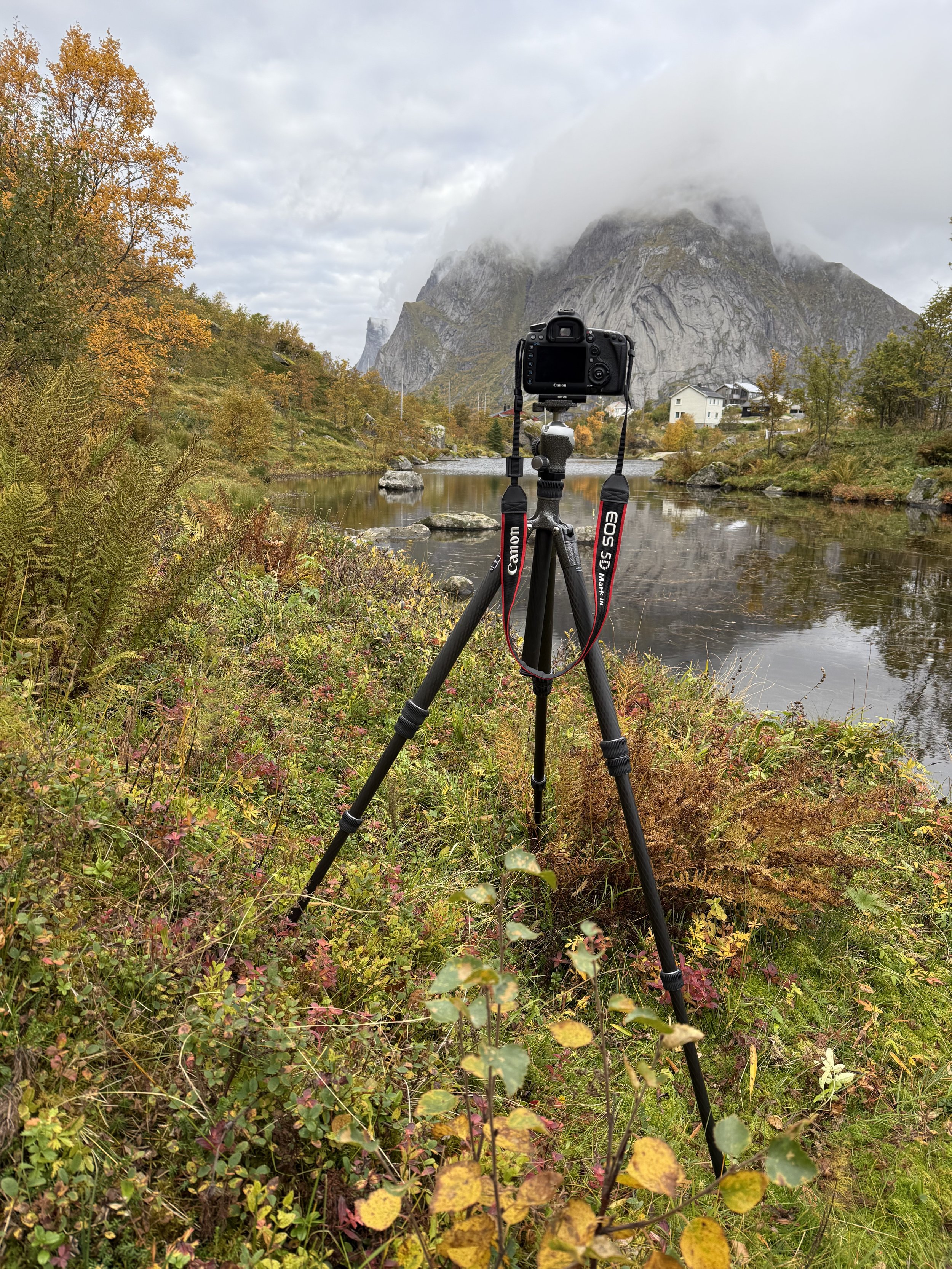
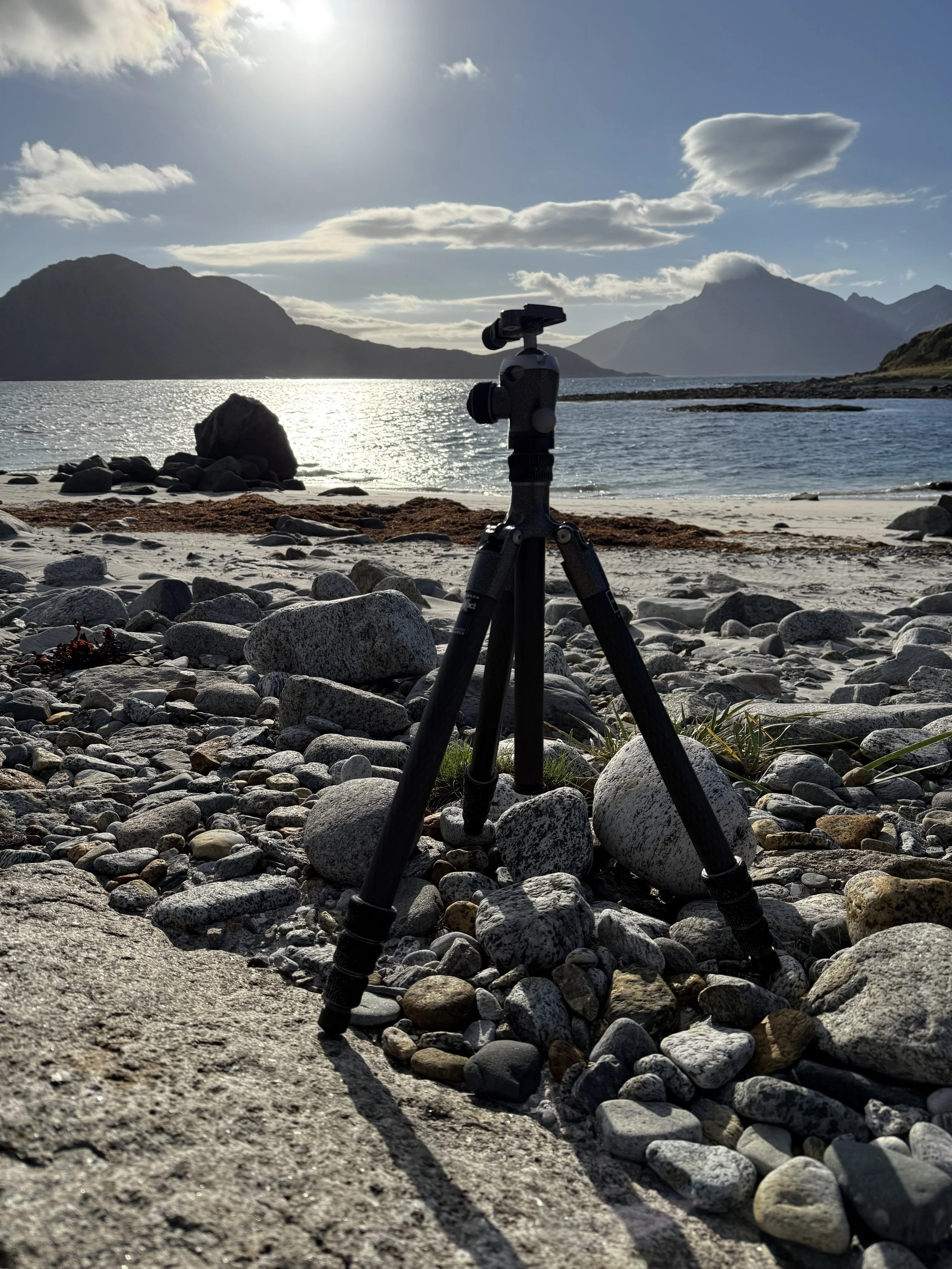
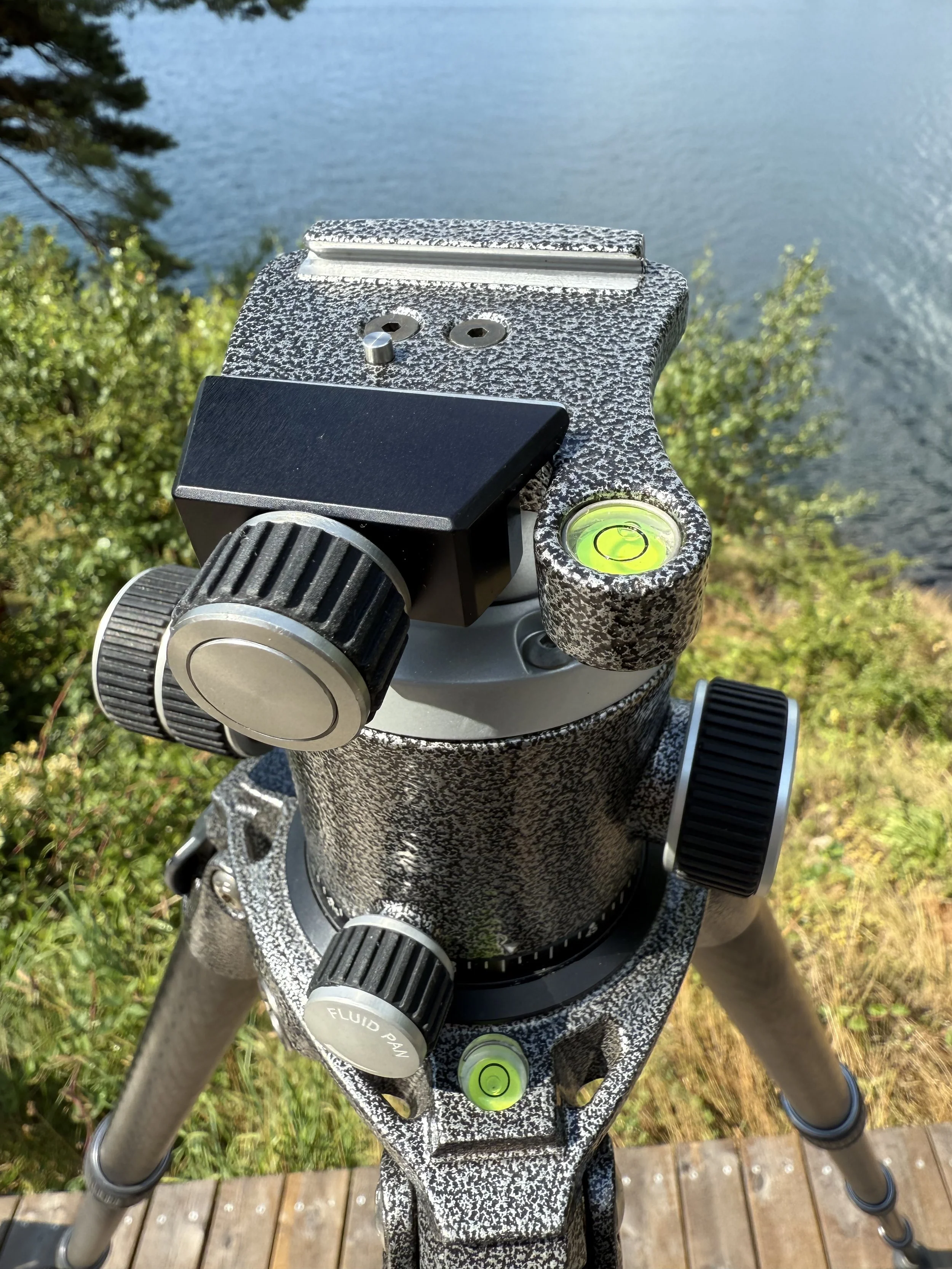
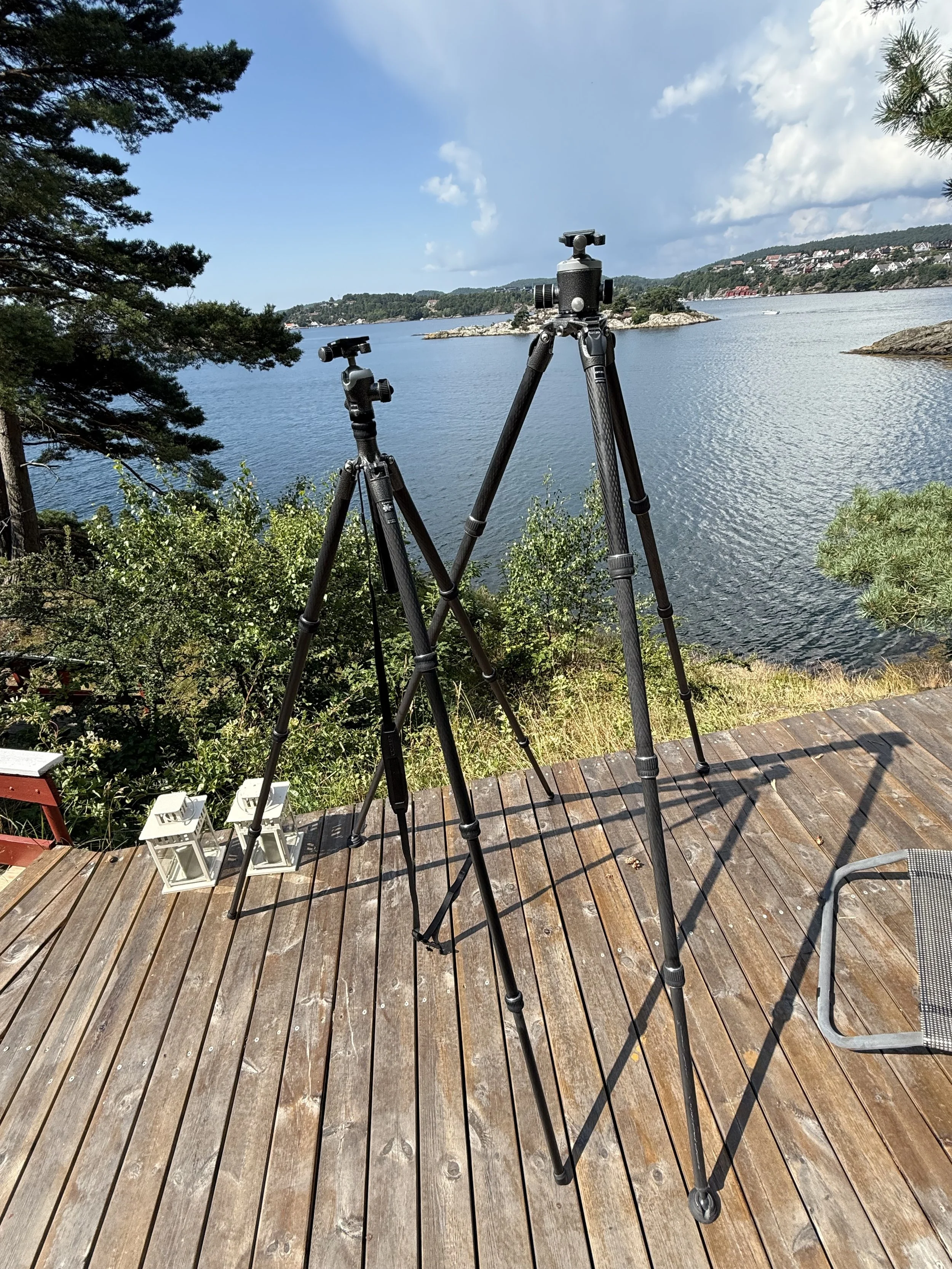
Gitzo GK2545T-82QD Traveler Tripod – Tested & Reviewed

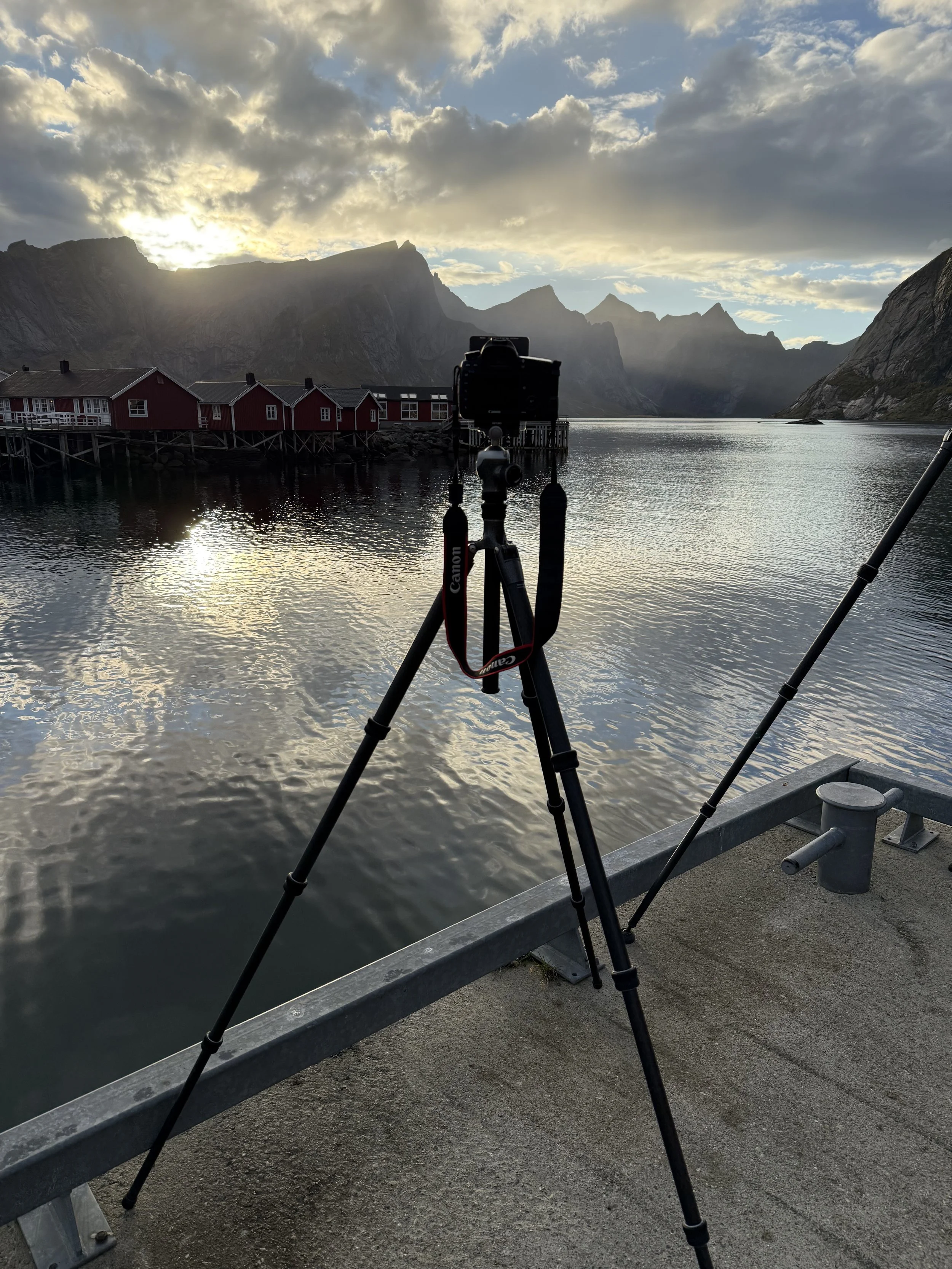
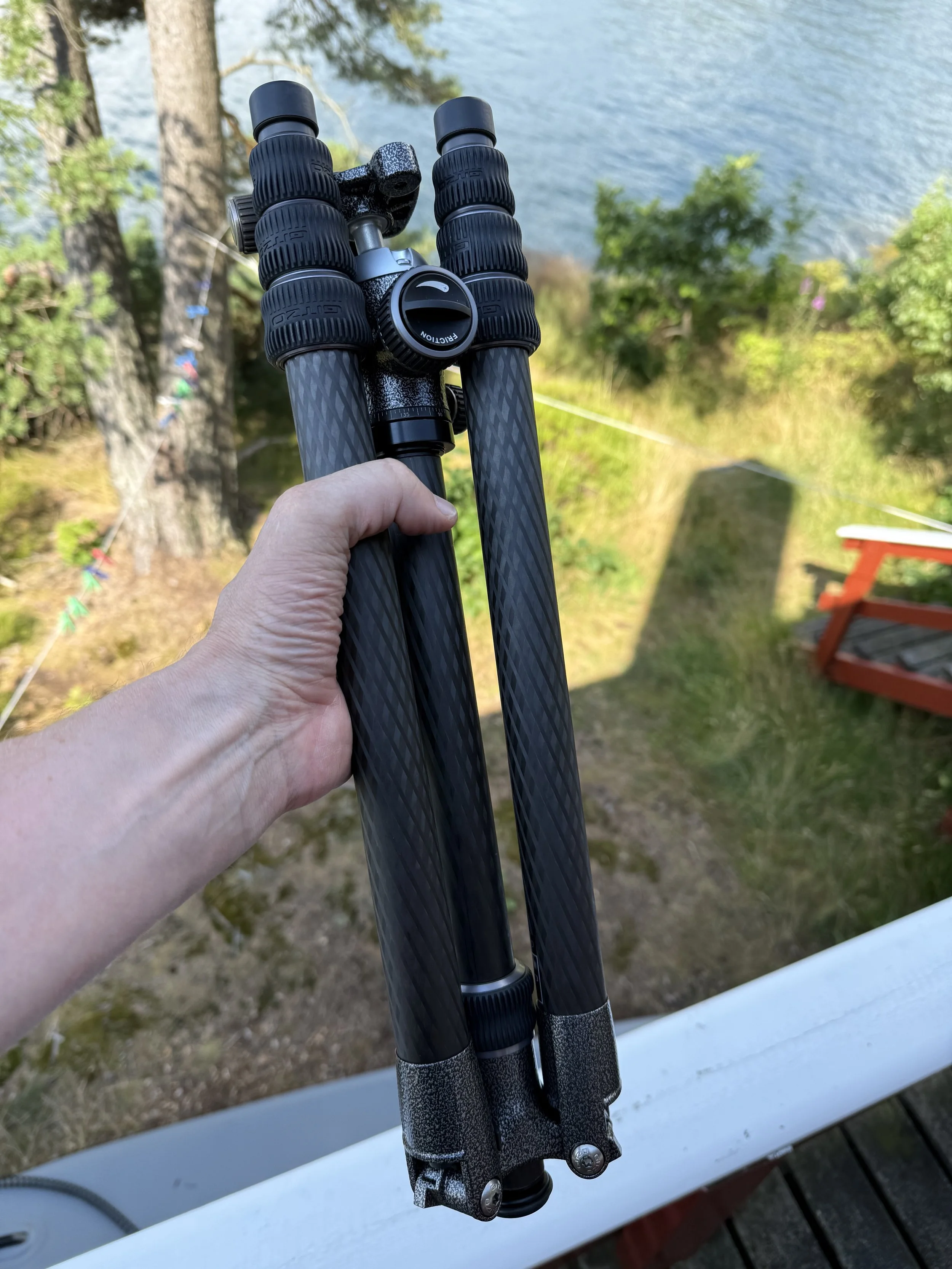
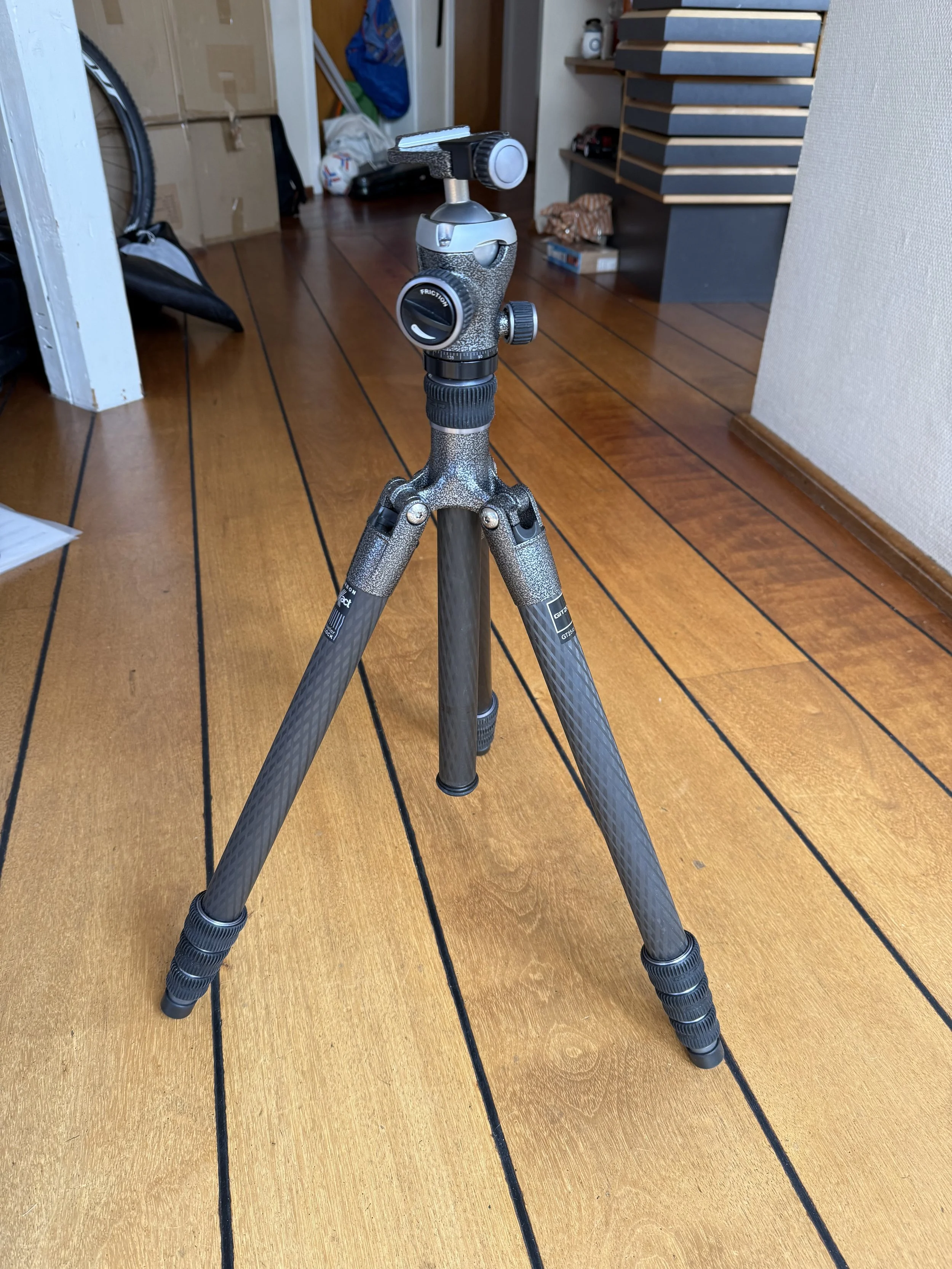
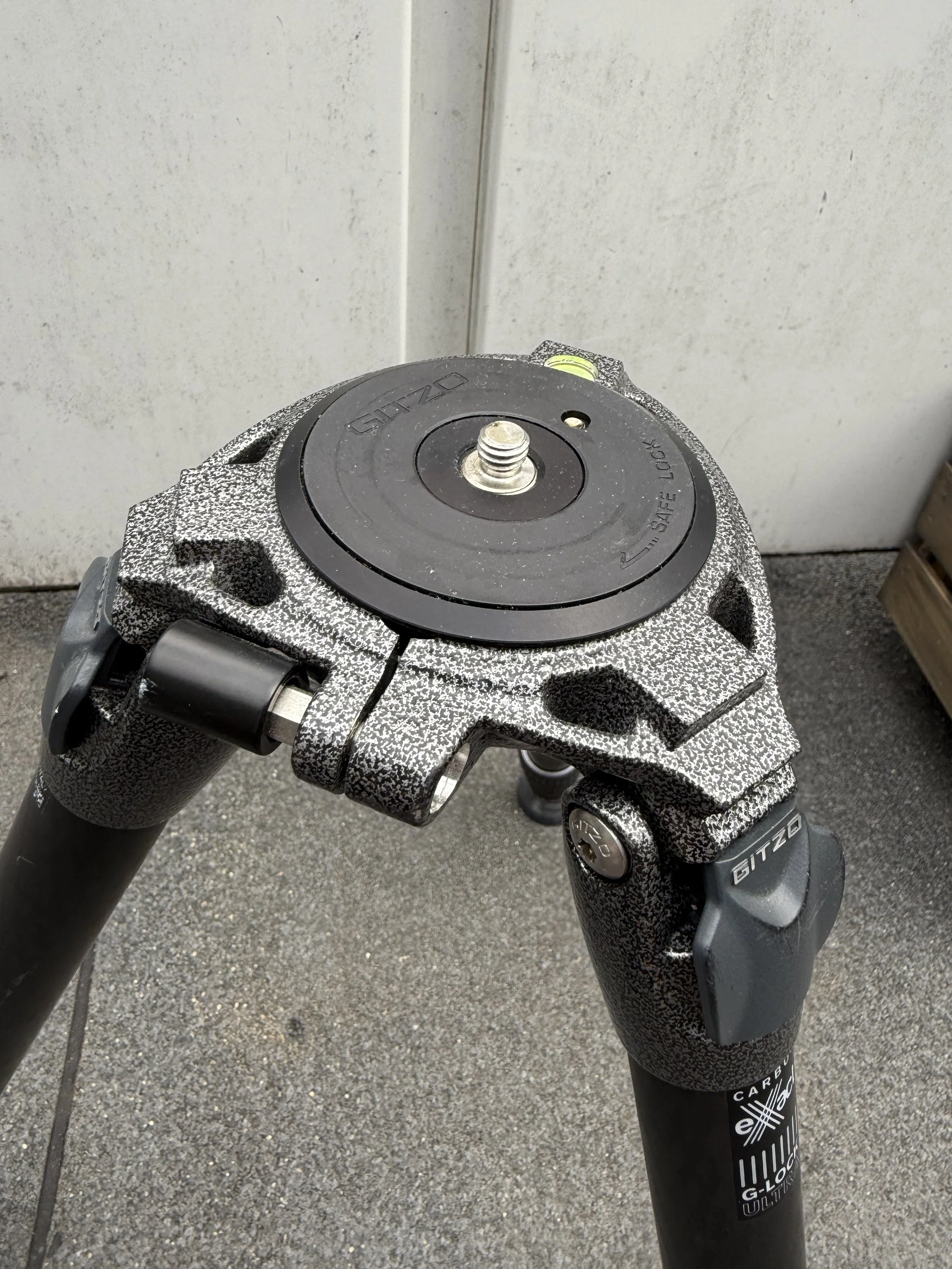
After roughly six months of consistent real-world use, the Gitzo GK2545T-82QD has become our primary travel tripod — not by intention, but because it has repeatedly proven to be the most reliable lightweight option in our kit. During this period, it has been packed into backpacks on multi-day hikes across the fjelds of southern Norway, carried through the steep and unpredictable terrain of the German Alps, set up along the shores of Lofoten in harsh maritime light, and unfolded countless times in the dense urban environment of New York City. These are not controlled test conditions, but the places and situations where a tripod either works — or doesn’t.

Early on, it became clear that the GK2545T-82QD suits the way I actually work in the field. It is light enough to carry all day without hesitation, yet stable enough that I never question it once the camera is mounted. Whether paired with a compact mirrorless body or a heavier setup with telephoto glass, it consistently provides a solid, vibration-free platform, even when conditions are less than forgiving.

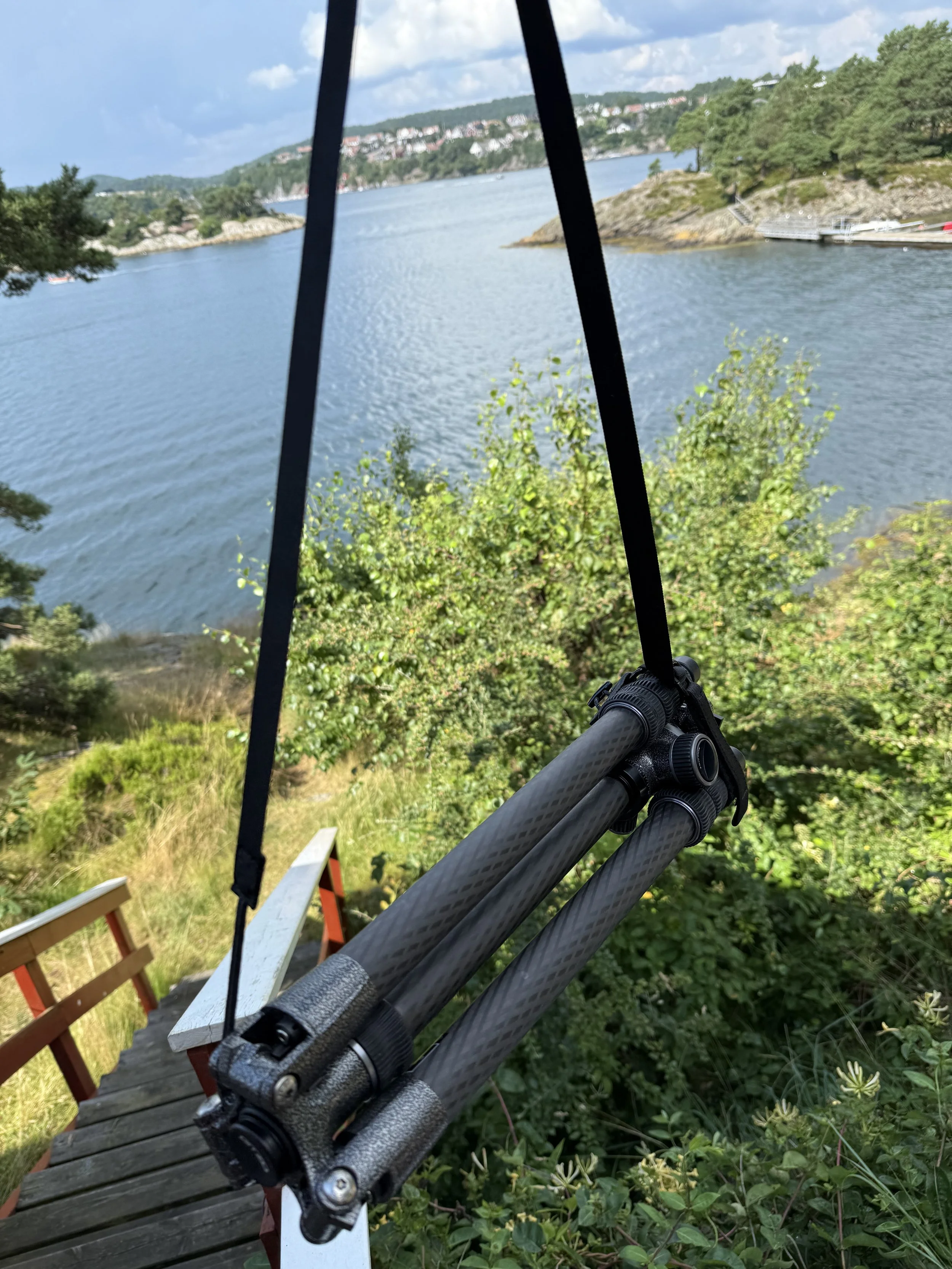
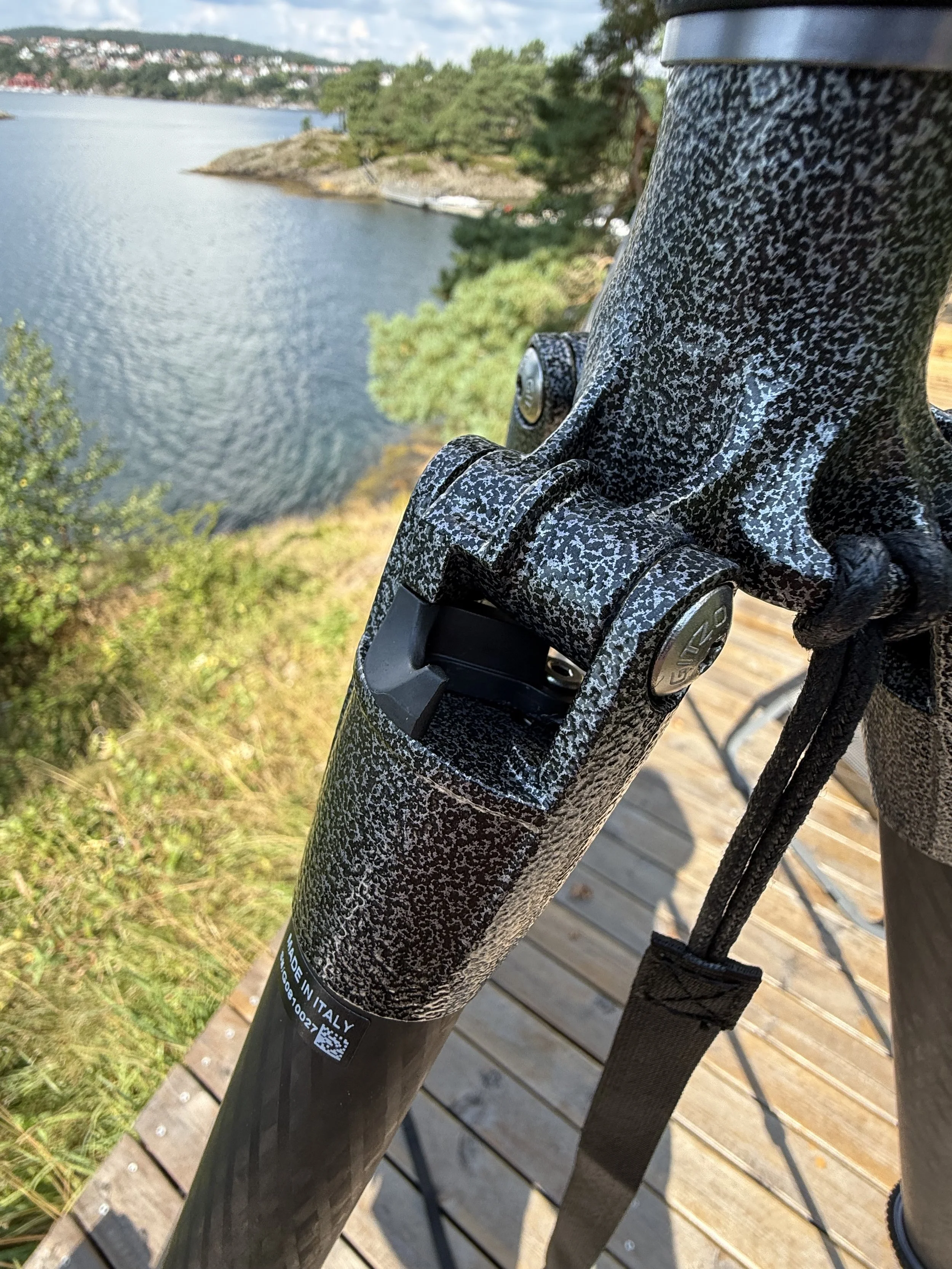
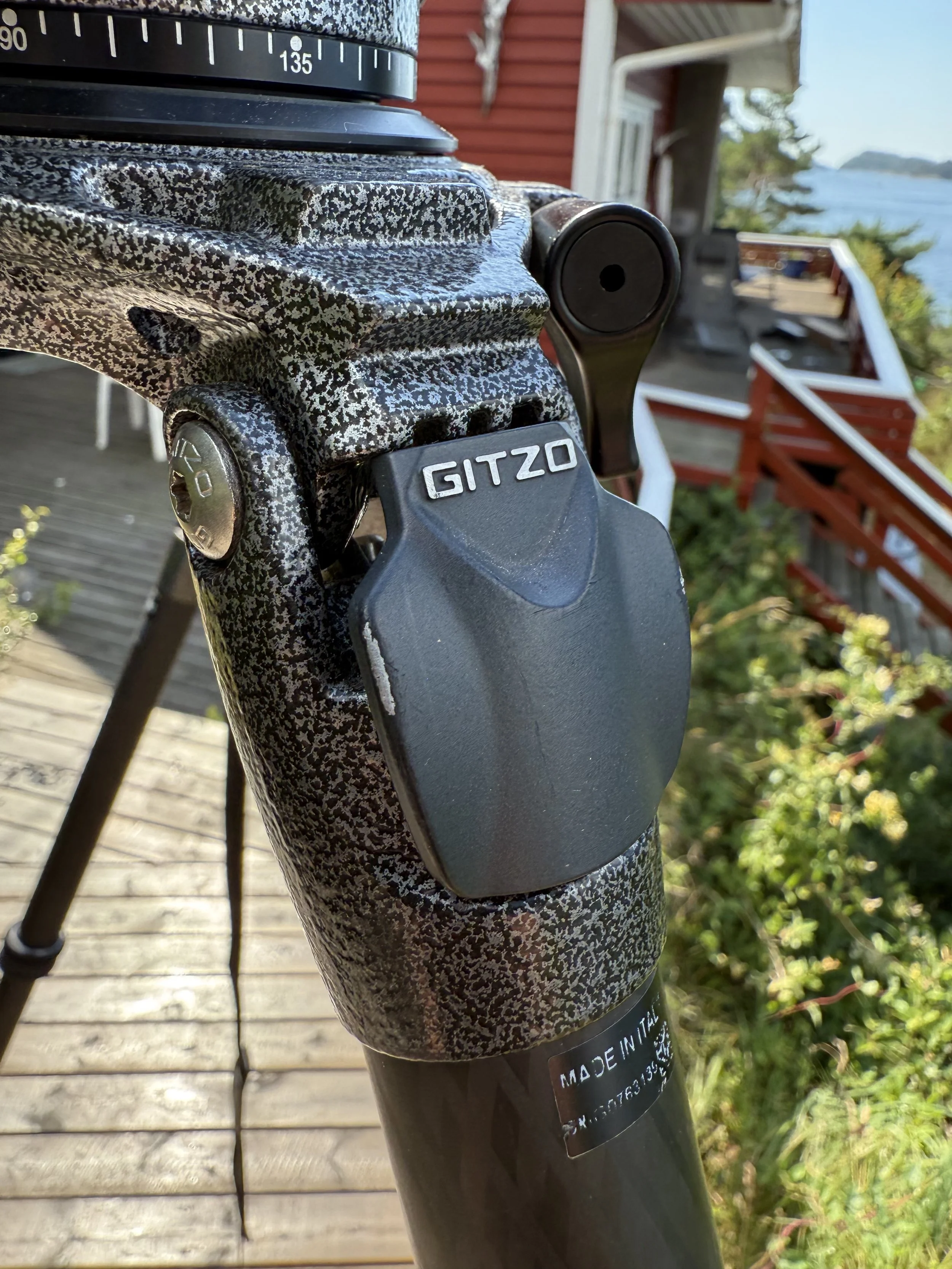
Build quality is where Gitzo’s experience shows most clearly. The 8x carbon fiber legs strike a well-judged balance between low weight and torsional rigidity. In use, the tripod feels composed and predictable, not delicate. The G-Lock Ultra leg locks are precise and confidence-inspiring, requiring little effort while locking down securely every time. There is no unwanted movement, no flex, and no sense that weight savings have come at the expense of stability.

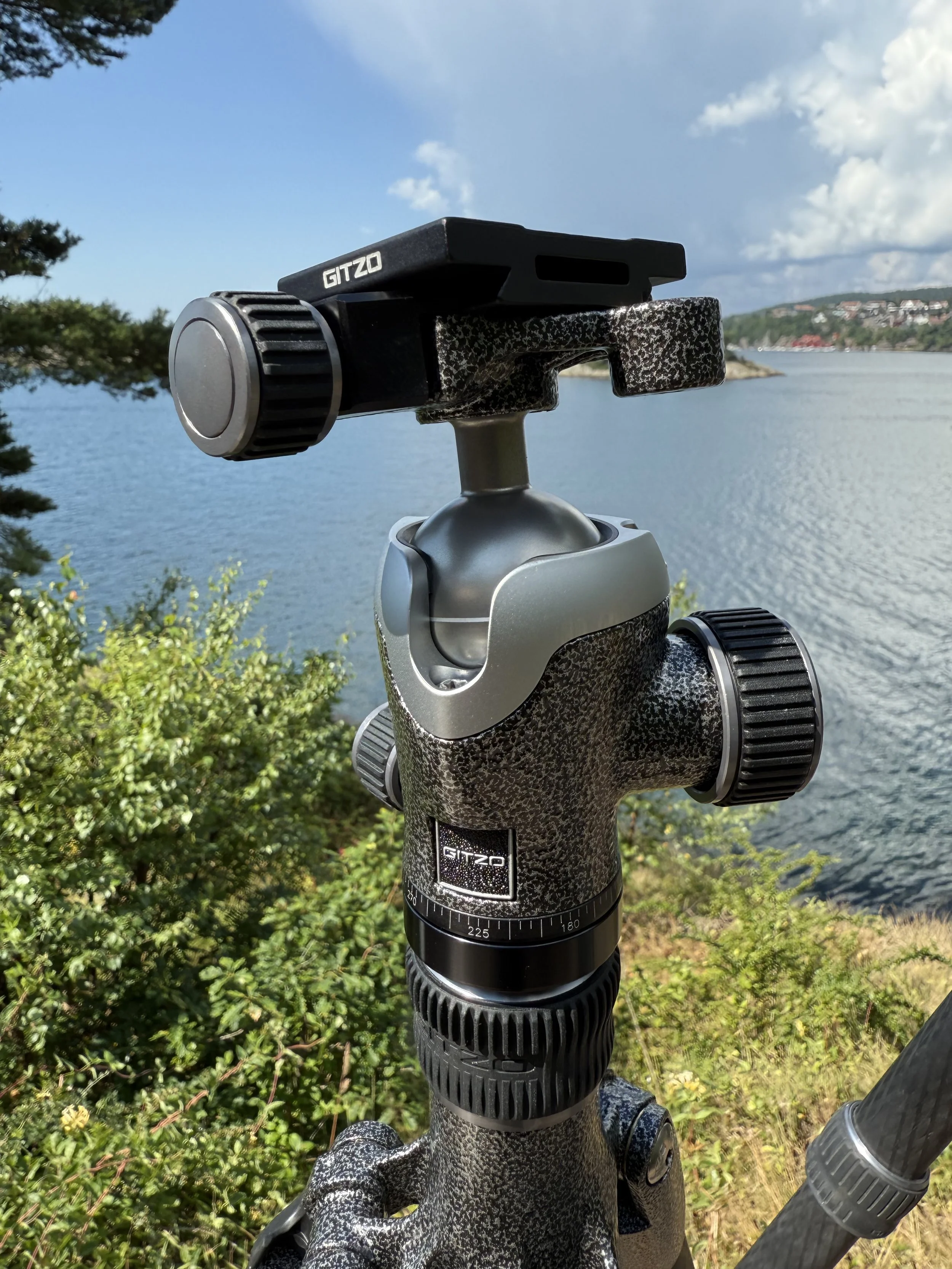
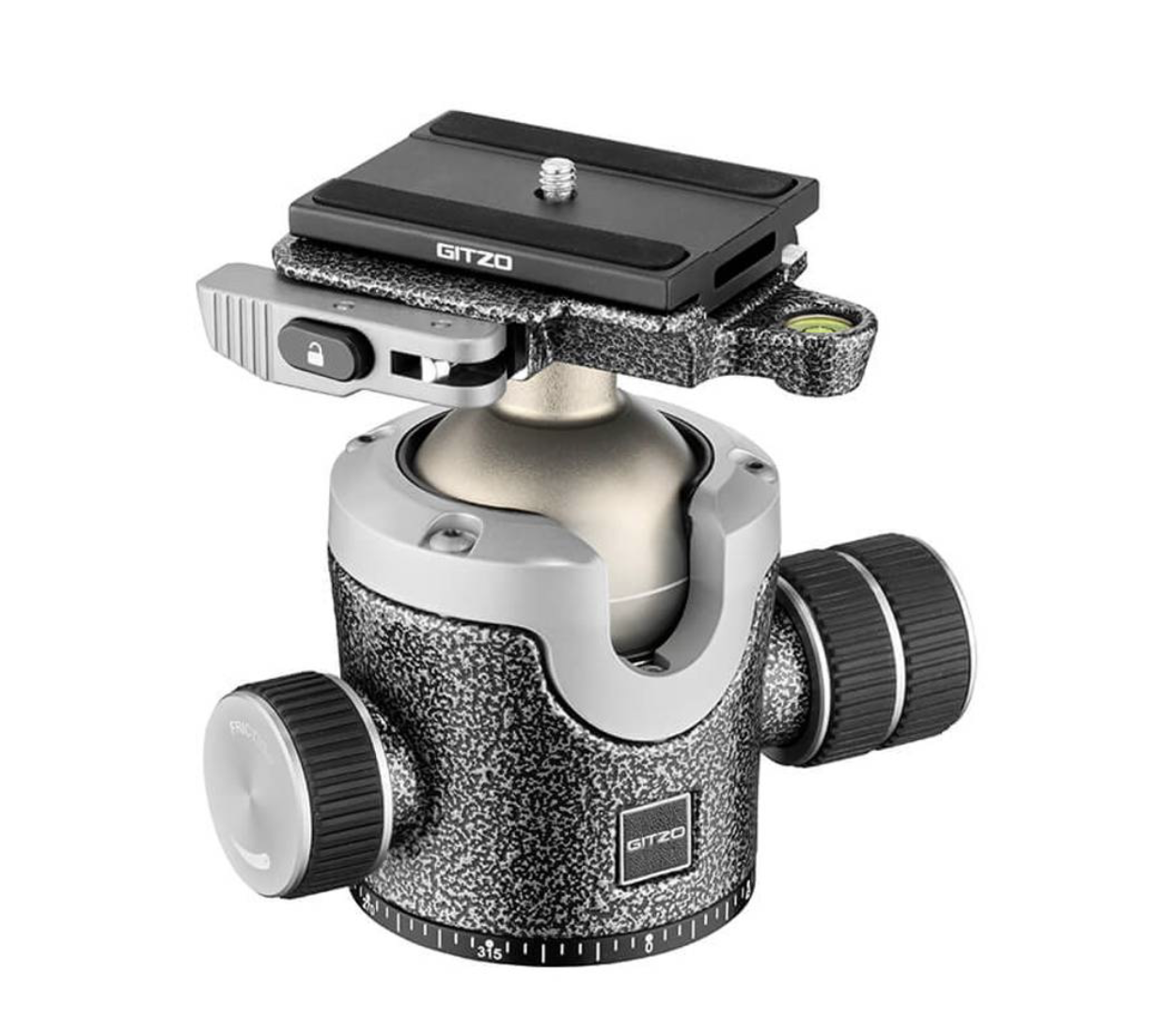
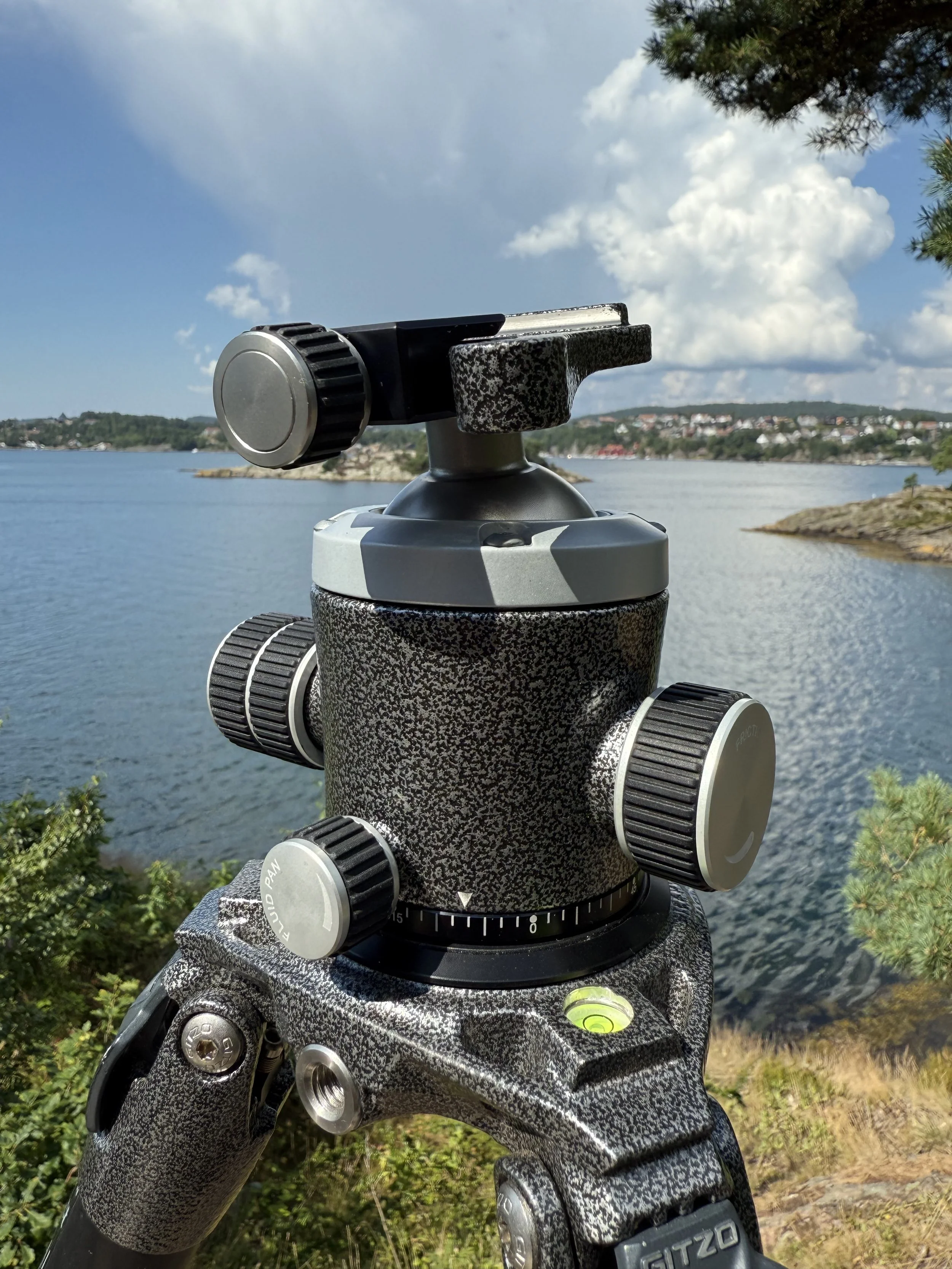
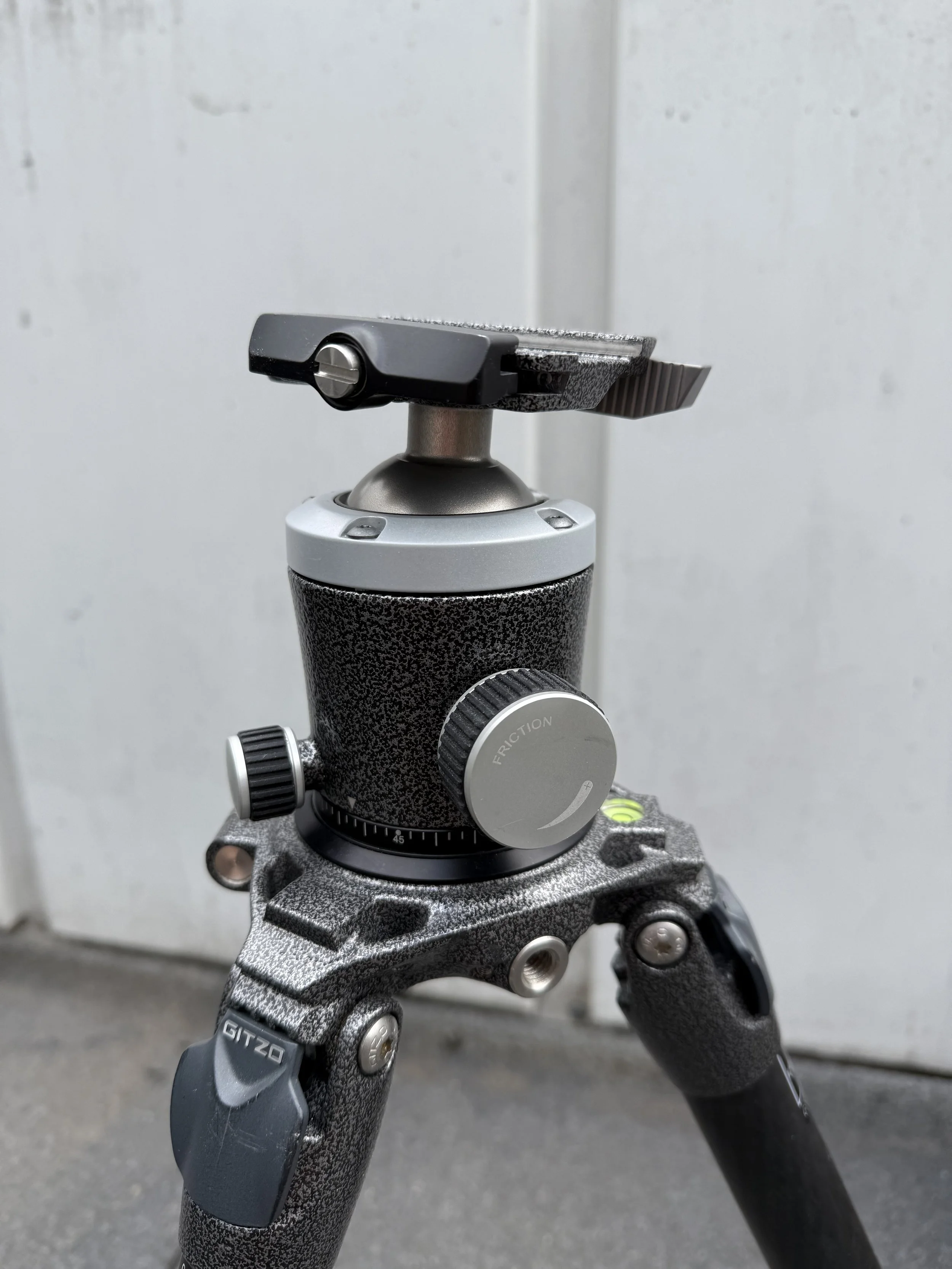
From a handling perspective, the tripod is equally refined. Setup is quick and intuitive, and the compact folded length makes it easy to live with on the road, whether packed into a hiking backpack or carried through airports. This becomes especially noticeable when working in changing light, where speed and simplicity matter. The included 82QD ball head pairs well with the legs, offering smooth, controlled movement for fine adjustments and firm locking once composition is set. In practice, this balance is most noticeable on uneven ground or in fading light — exactly the situations where a travel tripod is pushed the hardest.

That said, there are a couple of points worth addressing. The first is the price. The GK2545T-82QD sits firmly in the premium segment, and while its performance and build quality largely justify the cost, it is a substantial investment. For photographers who see a tripod as a purely functional accessory, this alone may be a limiting factor.

The second issue is more practical. The screw-based Arca-Swiss plate retention works reliably, but it feels like an area where usability could be improved. A spring-loaded or guided mechanism would make mounting the camera easier, particularly in cold or windy conditions, or when working with gloves. It is a small detail, but one that becomes more noticeable with extended use in the field.

These points aside, the GK2545T-82QD continues to perform where it matters most. It offers excellent stability for its weight class, inspires confidence when working with high-resolution sensors, and has held up well across a wide range of environments. After months of regular use, there are no signs of loosening or wear — only consistent, predictable behavior.

After extended time in the field, the Gitzo GK2545T-82QD has become a tripod I no longer think about while working. It does its job quietly and reliably, and that, ultimately, is what I look for in a travel tripod. For photographers who prioritize stability, portability, and long-term durability — and are willing to invest accordingly — it remains a very solid choice.

Dovrefjell – In the Land of Giants

Let’s talk about one of our favorite escapes: Dovrefjell. Rugged, raw, wildly beautiful—and home to one of the most photogenic, prehistoric-looking animals still roaming the north: the musk ox.

We travel to Dovrefjell several times a year, and every time it feels like the first. The terrain shifts. The light transforms. But the feeling of being somewhere truly ancient—that never changes.

The Hunt for the Woolly Tank

Our trips almost always start the same way: parked near Hjerkinn, hot coffee in hand, binoculars out, scanning the wide, open land. Or we’re driving slowly along the road toward Kongsvoll, eyes peeled, hoping that just over the next rise we’ll spot one of those shaggy silhouettes moving across the tundra.

It’s a ritual now. That first hour is always quiet—no music, no chatting. Just scanning, searching, hoping. And when we finally spot one? The car stops, the breath catches, and everything slows down.

The first musk ox sighting of any trip is a bit like spotting a celebrity in the wild—except they weigh 400 kilos, could knock over a car, and look like they’ve walked straight out of the Ice Age.

When we do find them, it’s with awe. And respect. And a really long lens.

Yes, they smell like an old wool sweater. But they wear it well.

Sometimes we’re lucky. We see them from a distance, moving through the mist. Other times, we hike for hours and find none—just tracks and that unmistakable musk scent hanging in the air. But it doesn’t matter. The search is part of the magic.

A Landscape That Makes You Feel Small

Dovrefjell is more than musk oxen. It’s a dramatic plateau of windswept beauty. Jagged peaks like Snøhetta, endless skies, and valleys that stretch further than your GPS signal.

It’s a place where you breathe deeper. Walk slower. Notice more. The lichen on rocks. The sudden silence. The way snow settles in pockets long after the sun is out. The crunch of your boots. The whisper of wind across ancient stone.

Every hike, every photography mission here is filled with those moments—the ones where you pause and just look. Not for the perfect shot. But because you’re caught in something much bigger than yourself.

And Dovrefjell doesn’t shout for attention. It whispers. And if you’re patient, it reveals everything.

Here, the silence is part of the view.

Winter, Summer, Storm, Repeat

We’ve been to Dovrefjell in every season. And trust us—it never shows up the same way twice.

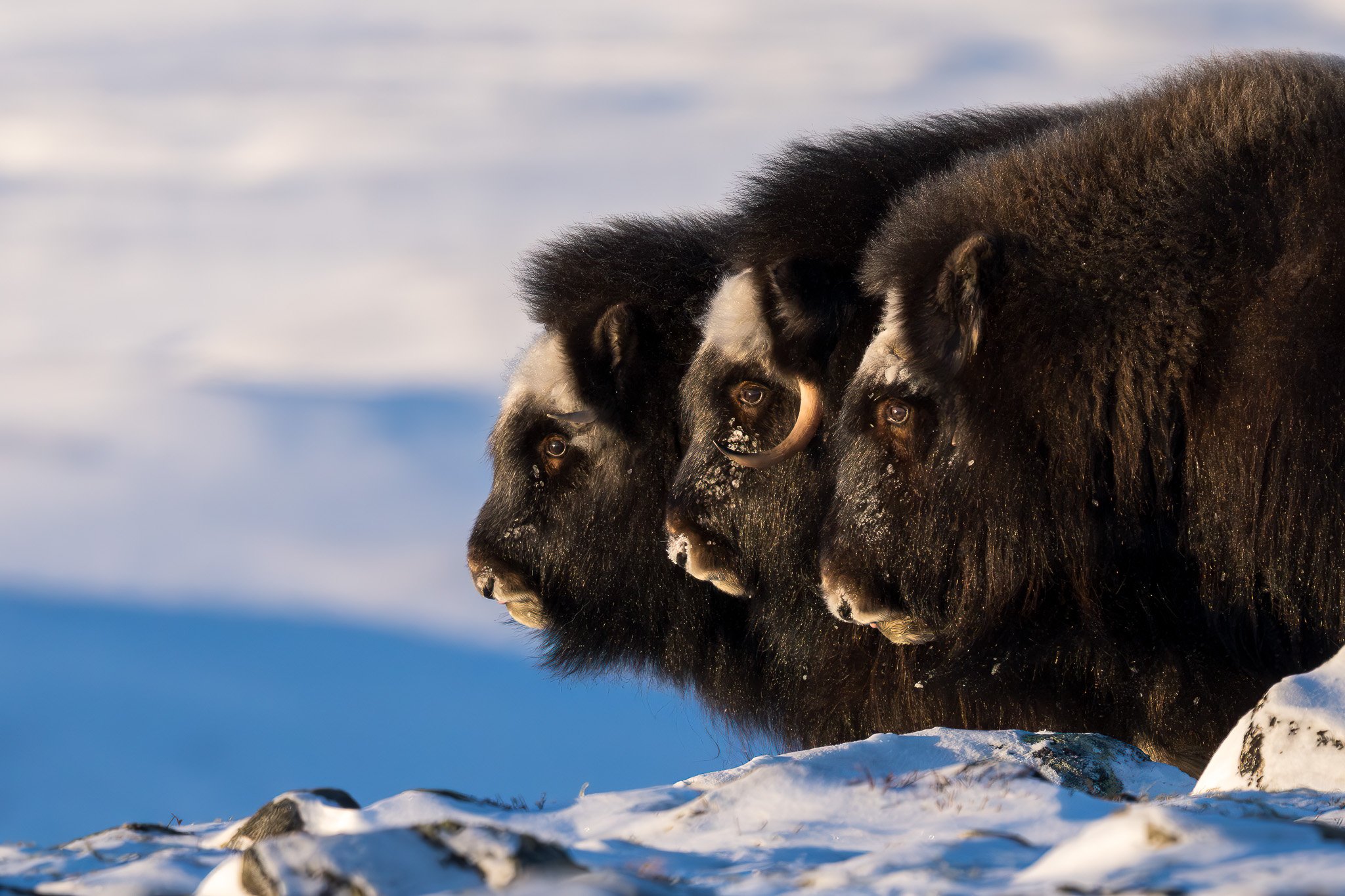
In winter, it’s brutal and beautiful. The musk oxen blend into the snowdrifts. Your breath freezes on your scarf. And the light? It’s soft, fleeting, and magical. The shadows are long, the skies dramatic, and everything feels stripped to its bones.

Come spring, the thaw begins. Streams cut through the snow. Life returns, slowly. You might still get snow in your boots, but the valleys start to breathe again. The moss turns electric green. Birds return. And sometimes, so do the tourists.

Summer is vast and green. The air is fresh and sharp. There’s light almost all night. And sometimes, if you’re lucky, a musk ox will pose perfectly right as the sun dips behind Snøhetta. It’s the season of long walks, cold rivers, and sunburns in the mountains.

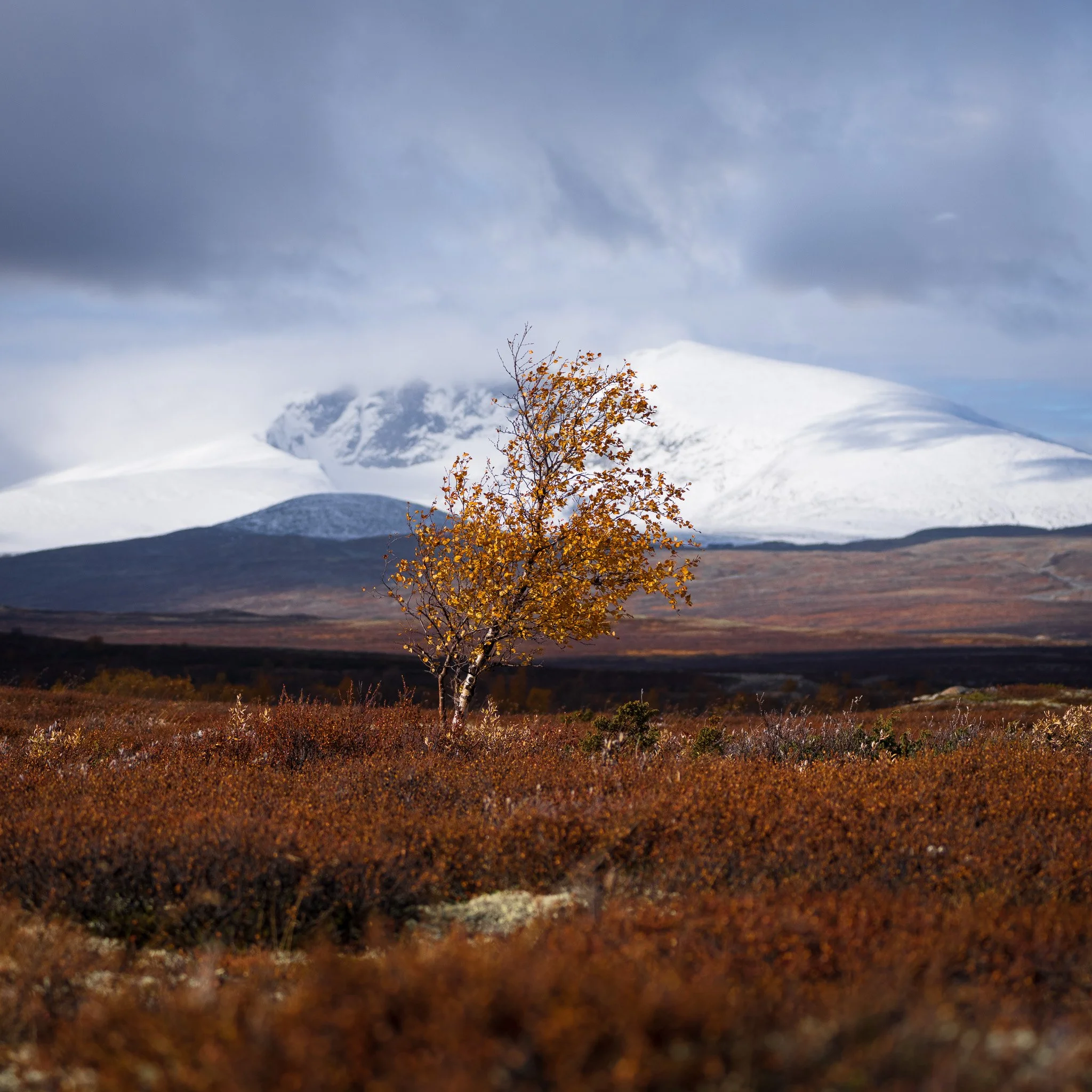
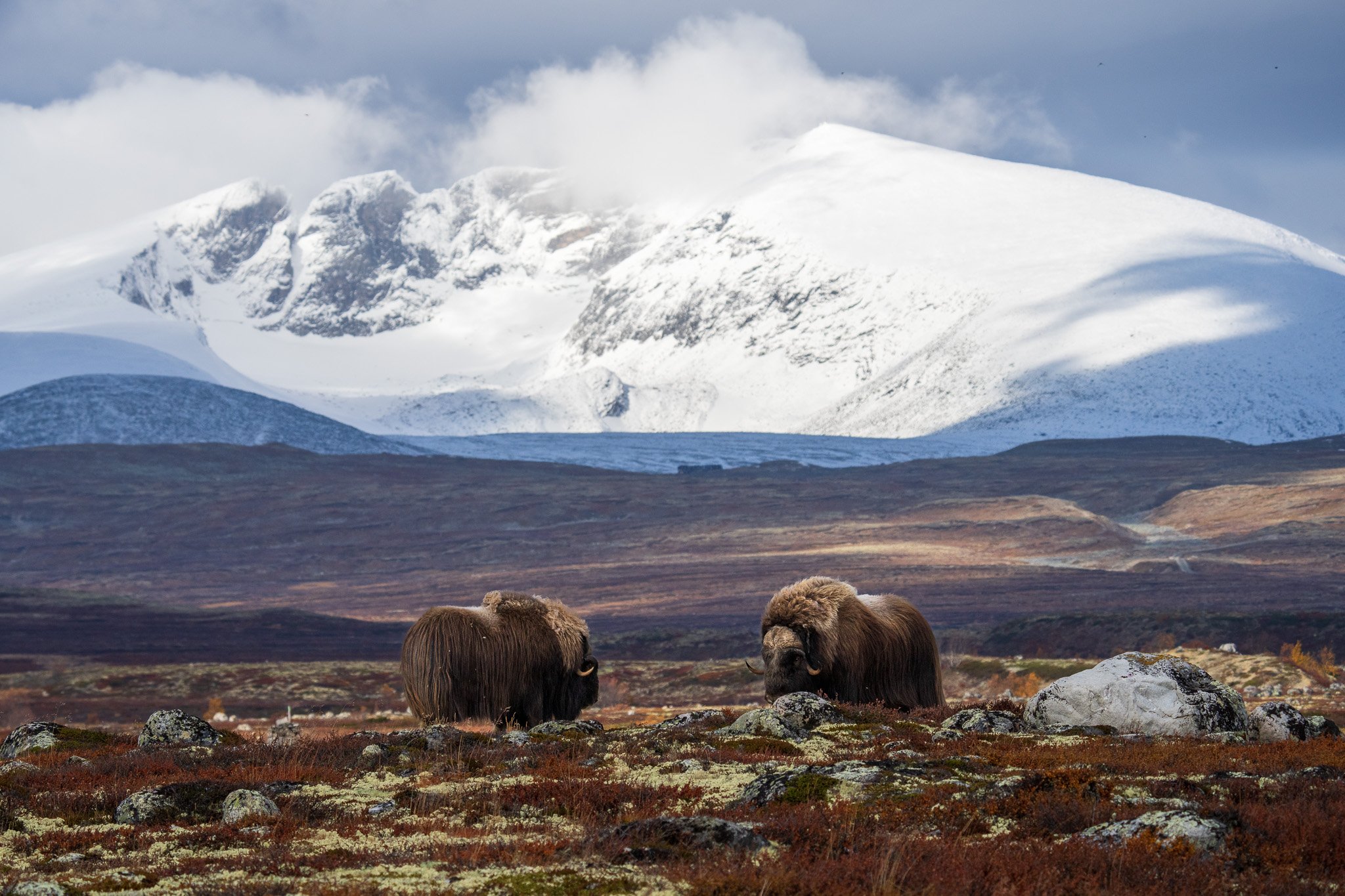
And then there’s autumn—our personal favorite. The mountains turn gold. The air smells of moss and rock. Mushrooms pop up along the trails. And the musk oxen look even more majestic against the fire-colored backdrop. It’s quiet. It’s moody. It’s pure poetry.

Fall fashion. Musk ox edition.

Where We Stay (or Don’t)

Depending on the mood (and the weather), we either bunk down at the cozy Dovregubbens Hall, which feels like staying in a mountain fairytale, or we go full-on wild and pitch the tent somewhere quiet, under a wide open sky.

There’s something deeply satisfying about waking up with frost on the tent flap, zipping it open, and seeing nothing but mountains and sky. Add the sound of distant bump from musk oxen? Perfection.

Dovregubbens Hall offers warm beds, hot showers, and surprisingly good breakfeast. The staff know the mountain like the back of their hand, and if you ask nicely, they might even point you in the direction of the last known oxen sightings.

But honestly? Sometimes nothing beats waking up in a sleeping bag, hearing a raven overhead, and knowing that today is all yours.

Super moon and musk oxen

For the Love of It

We don’t run workshops in Dovrefjell (yet!), but we keep coming back for the love of it. For the wildness. The silence. The stillness that somehow fills your soul instead of draining it.

Photographing here isn’t about ticking off a list. It’s about patience. About presence. About the kind of clarity that only cold air and distant peaks can give you.

It’s about waiting an hour in the wind for a musk ox to turn its head just so. It’s about learning how to read light on lichen. It’s about the stories you bring home that don’t need words.

If you ever get the chance to visit: go. Be respectful. Keep your distance. Bring snacks. Bring layers. And maybe, just maybe, you’ll meet the giants of the north.

Family gathering at Dovrefjell

Lofoten – We Came for the Light, Stayed for the Silence (and the Waffles)

Let’s be honest. The first time we went to Lofoten, we were thinking the same thing you probably are right now: “Sharp peaks, dramatic skies, turquoise water… it’ll look great on Instagram.”

And yes—it did. But what we didn’t expect was how quickly this remote corner of the Arctic would get its icy little fingers wrapped around our hearts.

We came for the photos.
We stayed for the soul.
And maybe also for the waffles.

A Place That Feels Like Another Planet

Lofoten is the kind of place that shouldn't exist. Like, how is it even real?

Towering granite cliffs straight out of a fantasy film. Fishing cabins painted like red Lego bricks. Beaches so white you’ll swear someone imported sand from the Maldives. And don’t even get us started on the light—a soft, sideways glow that lasts for hours, as if the sun is just too polite to set.

For photographers, it’s a dream—one where the dream keeps changing every hour. Golden sunlight filters through snow flurries. Storm clouds burst open to reveal sunbeams. Northern lights sneak across the sky like green foxes in the night. Sometimes we shoot for hours in silence, unable to look away.

We’re not saying the weather is dramatic, but Lofoten could probably win an Oscar.

Light, Texture, Silence

Photographing Lofoten isn’t just about the landscape. It’s about the texture of the air. The sound of stillness. The way light skips across a mountain ridge or slips through a gap in the clouds. You wait. You watch. You frame.

There are moments here where everything aligns—not just in the camera, but inside you. You stop thinking about settings or gear. You’re just present. Completely.

And that’s when you take that shot. The one that stays with you.

Sometimes the best shots aren’t wide. They’re quiet.

Why We Keep Coming Back

Because it’s not just about ticking off locations. It’s about slowing down. Lofoten forces you to stop and observe. You can’t plan everything. You can only be ready—tripod in hand, gloves off, heart open.

You might hike up a ridge and find yourself above the clouds. Or stand at sea level while snowflakes dance in golden light. Or just sit and watch while waves sculpt the shoreline.

We’ve never shot the same scene the same way twice. And honestly, we don’t want to.
You don't always need a shot list. Just curiosity.

Yes, We Run Workshops. And Yes, They're Awesome.

Okay, okay—we’ll admit it. We love sharing Lofoten with other photographers. That’s why we host two small-group workshops here each year.

But we’re not here to hard-sell you. This isn’t bootcamp. This is for people who want to get inspired, shoot a lot, laugh a lot, and maybe learn a thing or two along the way.

Want the details?
👉 Lofoten Autumn Workshop
👉 Lofoten Spring Workshop

Come for the light. Stay for the people. And the snacks.

Our Eyes on the North

Need a taste of what’s waiting up north? Check out our gallery from Lofoten right here. These are just glimpses—tiny windows into something so much bigger. Something you kind of have to feel.

Behind the Lens: Our Unfiltered Journey to Vestrahorn, Iceland

Hey, folks!

Welcome to the behind-the-scenes look at our epic adventure to Vestrahorn, Iceland – where the real magic happens. Get ready to peel back the curtain and see the raw, unfiltered moments that led to one of the winning shot in the CEWE Photo Award 2023. Spoiler alert: it wasn't all sunshine and rainbows, but man, was it worth it!

Sunset Silhouettes – Chaos and Calm

Okay, so here's the deal. That silhouette shot you see? Yeah, it wasn't as effortless as it looks. Picture this: three kids running around like wild banshees, while Kirsten and I are desperately trying to set up the shot before the sun disappears. It's chaos, it's madness, but somehow, amidst all the craziness, we manage to capture a moment of pure magic. The result? A image that perfectly captures the essence of our family adventure.

Droning on Through the Sandbanks – Trial and Error

Now, let's talk about this drone shot. Trust me when I say it took a whole lot of trial and error to get it right. First off, there was the wind – always a fun challenge when you're flying a drone over sand dunes. Then there was the whole "avoiding crashing into Kirsten" thing, which, let's just say, required some serious maneuvering skills. But hey, after a few close calls and a couple of panicked moments, we nailed it. The result? A jaw-dropping aerial view of Vestrahorn that makes all the sweat and stress totally worth it.

Capturing Magic in Motion – The Big Finale, and winner picture

And finally, the moment you've all been waiting for – the winning shot. Here's the thing: capturing this image was no easy feat. We spent days scouting the perfect location, battling unpredictable weather, and chasing the ever-elusive light. But when the stars finally aligned, and Kirsten stepped out into the water with Vestrahorn towering in the background, I knew we had something special. It's a moment frozen in time, a snapshot of pure magic and wonder that perfectly encapsulates our journey to Vestrahorn.

So there you have it, folks – the real story behind the winning shot. It's messy, it's chaotic, but above all, it's real. Because sometimes, the most beautiful moments in life are the ones that aren't carefully staged or meticulously planned – they're the ones that unfold organically, in the midst of all the chaos and craziness. And as we look back on our time at Vestrahorn, we're reminded that it's not just about the destination – it's about the journey, the memories, and the moments that take our breath away. Thanks for joining us on this wild ride, and here's to many more adventures yet to come!

Best wishes

Kirsten & Henrik Solgård

Chasing Tails: An Arctic Fox Adventure in Svalbard

Introduction: The Foxy World of Arctic Foxes

So, you're probably wondering what's the deal with Arctic Foxes, right? Well, hold onto your snow boots, because these little furballs are like the rockstars of the Arctic. With their fluffy white coats and mischievous glints in their eyes, they're basically the Kardashians of the polar wilderness—minus the drama and the Instagram accounts.

Now, let me tell you, trying to snap a pic of these Arctic cuties is like trying to catch a polar bear in a snowstorm. But hey, where there's a will, there's a way, right?

Meeting Oddgeir: The Fox Whisperer

So, picture this: we're out in the freezing cold of Svalbard, looking for Arctic Foxes like it's a game of hide-and-seek on steroids. That's when our buddy Oddgeir swoops in like the hero of a Scandinavian folk tale. This guy knows Arctic Foxes better than they know themselves. Seriously, if they ever start a fox support group, Oddgeir should be their president.

With Oddgeir leading the charge, we set off into the wilds of Svalbard, armed with cameras and enough snacks to keep a hungry polar bear at bay.

Capturing the Moment: Portrait of a Snowball with Ears

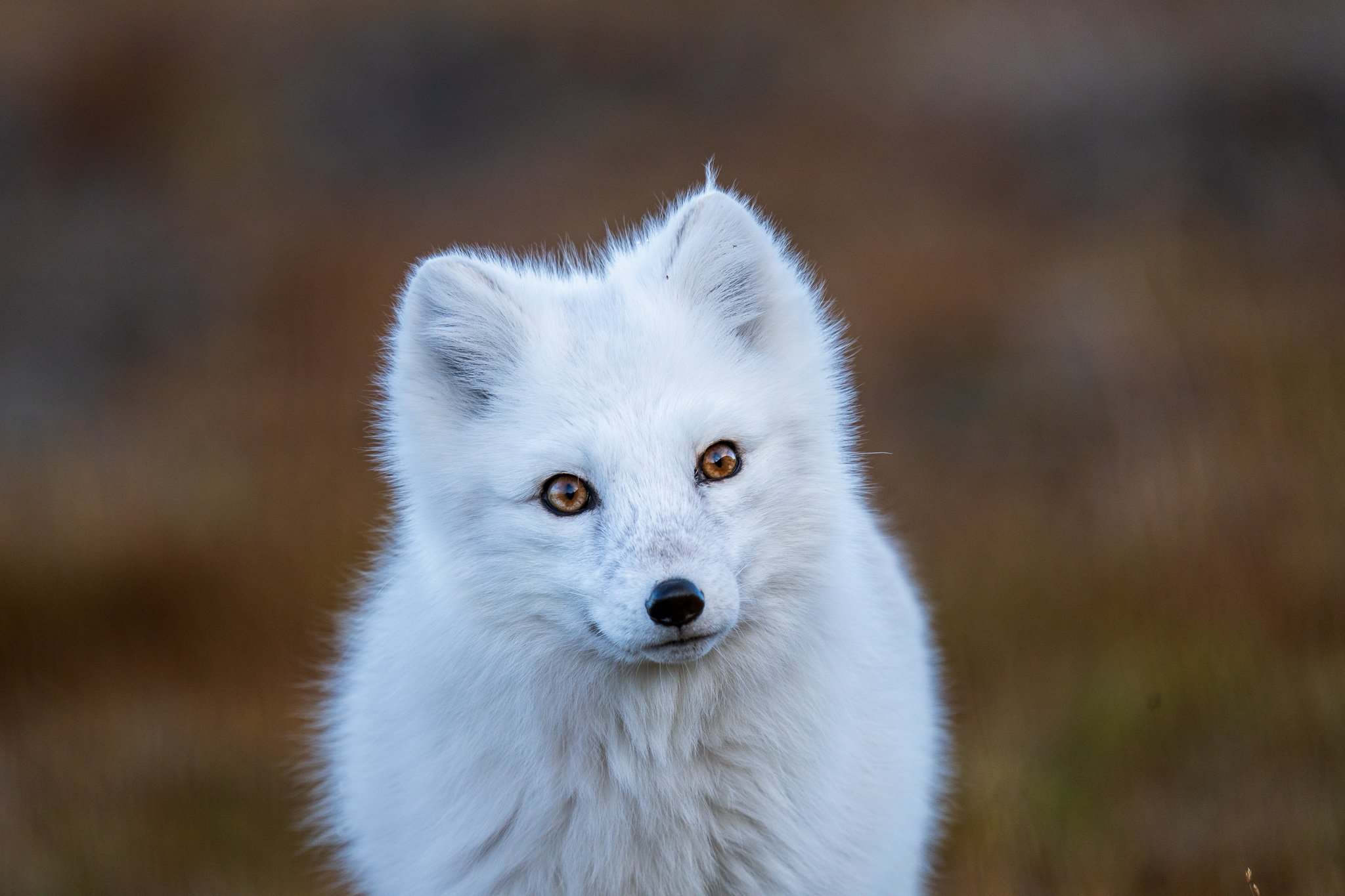
Our first encounter with an Arctic Fox was like love at first sight—except colder and with more fur. There it was, standing in the autumn landscape like it owned the place (which, let's face it, it probably did). With a flick of its tail and a twinkle in its eye, it struck a pose that would make even the most seasoned supermodel jealous. Click goes the camera, and voilà—a masterpiece was born.

Strike a Pose: When a Fox Plays It Cool

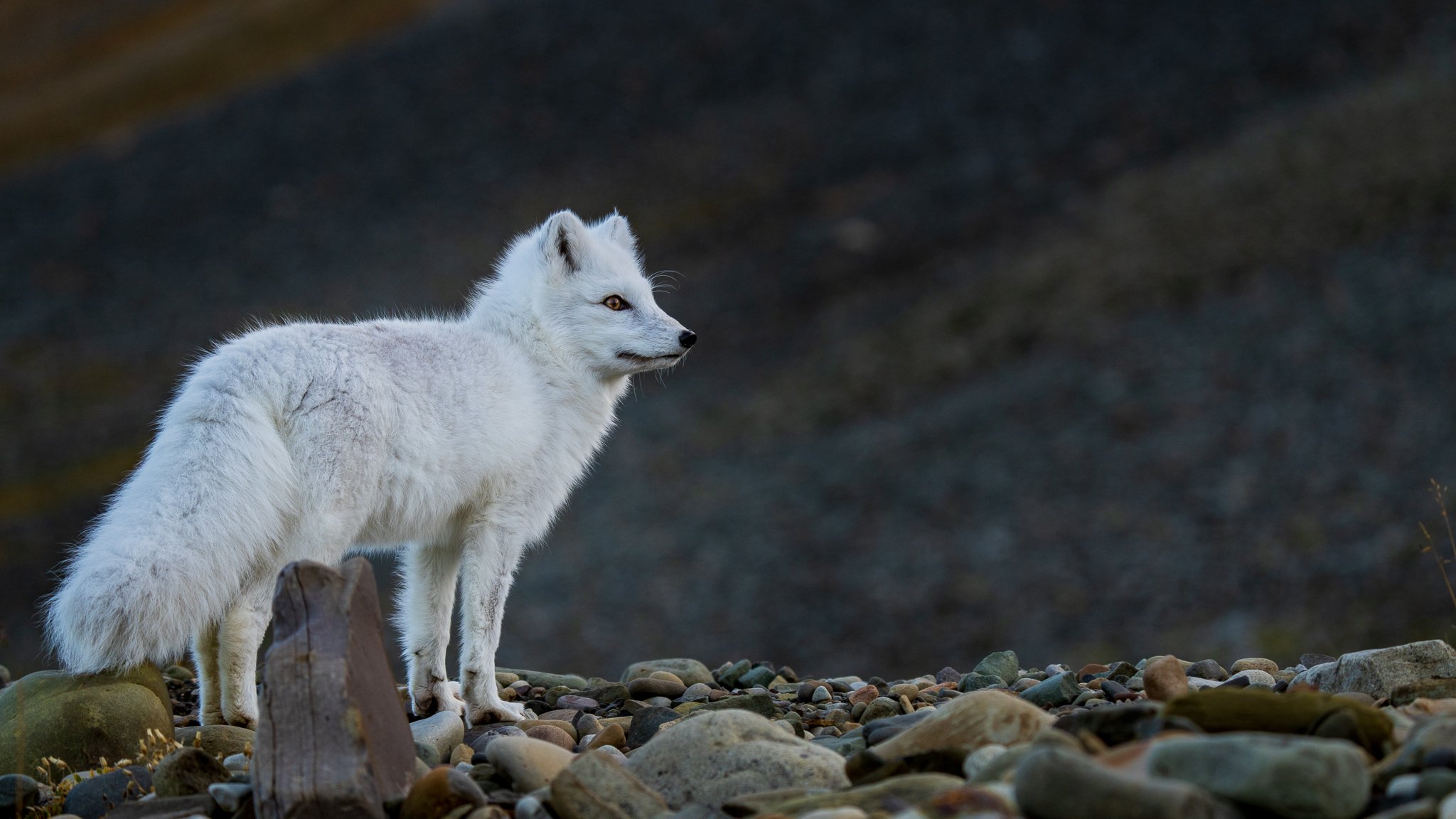
But the pièce de résistance came when we encountered a fox that was straight-up posing for the camera. I mean, this fox had more attitude than a teenager with a smartphone. It looked right upon the open landscape, "Yeah, I know I'm fabulous." And you know what? It was right.

Conclusion: A Wild Ride with the Foxes

So, there you have it, folks—a wild and wacky adventure in the land of Arctic Foxes. From chasing tails to capturing moments of pure magic, it's been a journey we won't soon forget. And hey, if you ever find yourself in Svalbard with a camera in hand, just remember: sometimes, all it takes is a little patience, a lot of snacks, and a whole lotta love for the foxes of the north.

Best regards

Kirsten and Henrik Solgård

Welcome to Solgaard Photos: Embark on a Journey Through the Lens

Step into the captivating world of Solgaard Photos, where every click of the shutter unfolds a new chapter in our photographic odyssey.

The Dolomites

Join us on a journey beyond the mere mechanics of photography; here, we explore the soul of each image, the story behind every frame. From the vibrant streets of bustling cities to the serene tranquility of untouched landscapes, our lens captures the essence of the world around us.

But what sets our journey apart is not just the destinations we traverse, but the tools we wield along the way. Through our lens, we'll share the stories of the equipment that accompanies us on our photographic adventures. Each piece carefully selected, not just for its technical specifications, but for the unique voice it lends to our visual narratives.

We'll take you behind the scenes, sharing the intimate details of our gear choices and the reasons behind them. It's not just about the latest gadgets or the most expensive lenses; it's about finding the perfect match that empowers us to bring our creative vision to life.

As we navigate the ever-changing landscapes of photography, expect more than just reviews; anticipate insights, anecdotes, and revelations that illuminate our path. Whether you're a fellow traveler on this photographic journey or a curious observer, there's something here for everyone.

So, grab your camera, dust off your lenses, and join us as we embark on an unforgettable adventure through the lens. Welcome to Solgaard Photos, where every frame tells a story, and every journey is an opportunity to capture a moment in time.

Let the journey begin.

Best regards

Kirsten and Henrik Solgård